

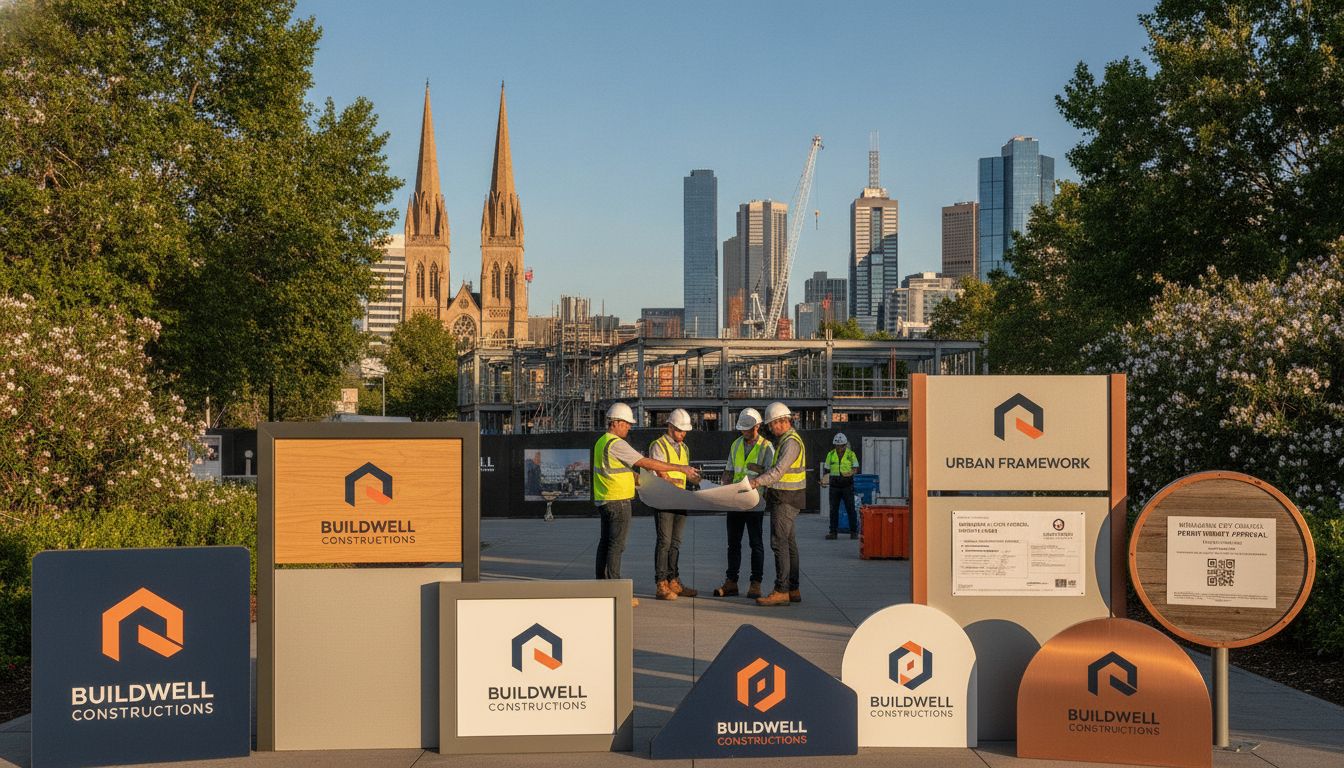
On a busy construction site, clear communication is vital. Builder signage plays a key role in keeping people safe, informing the public and making your brand more visible. At Signage Melbourne, we know the challenges builders face in Melbourne and the areas around it. Our team covers the whole job, from the first consultation to design, production and installation.
Construction sites change all the time, so they need constant updates and clear messages. Whether you are warning workers of hazards or promoting your brand, the right signs are vital. This is where we come in. We serve builders across Melbourne, Geelong, Dandenong, Elwood, Brighton, Richmond, St Kilda and the Western Suburbs with a single accountable team.
Choosing the right signage should not be an afterthought. It’s a strategic investment. We look after all your signage needs so you can focus on your projects. We are committed to durability and compliance, so your signage works as hard as you do. It keeps your brand looking the same across sites and helps you connect with the community.
Importance of Signage in the Construction Industry
Signage plays a vital role in construction. It does several jobs that can have a big effect on a project’s success. It makes your brand more visible, keeps people safe and shows you run a professional site. For builders in Melbourne, good signage is an investment. It can lead to more recognition and help you meet safety regulations.
Boosting Brand Visibility
Every construction site is a chance to show off your brand. When you invest in construction site signage, you turn site boards and fence wraps into useful marketing tools. These signs catch the eye of passing traffic, potential clients and the local community.
When you put your company name front and centre, people start to notice and remember it. This matters even more in Melbourne, where competition is fierce. At Signage Melbourne, we use our know-how to help you design signage that stands out and speaks to the people you want to reach.
Communicating Safety Information
Safety comes first in construction. Clear safety signage that meets the rules protects your workers and the public. When you get safety rules across clearly, you reduce your liability and show your commitment to duty of care.
Our team makes sure your safety signs are both visible and clear to read. That clarity can make a big difference. It helps prevent accidents and makes sure everyone on site knows what precautions to take.
Establishing Professionalism
Well-designed, properly installed signage shows that you take your work seriously. It reflects professionalism and attention to detail, which clients look for in a builder. When your signage is well kept and has the same look throughout, it lifts your overall image.
First impressions matter, and quality signage can set you apart. At Signage Melbourne, we handle every part of signage installation in Melbourne. We make sure your signs meet regulatory standards and lift your brand's presence.
Types of Signage for Builders
Different types of signage meet different needs for builders, helping with both safety and marketing. In construction, the right signage helps you meet regulations and promotes your projects well. Here are the main types of signage to consider:
Site Safety Signage
Site safety signage is vital for keeping a work site safe. These signs tell workers and visitors about possible hazards and the precautions they need to take. Common examples include:
- Hard hat area signs
- Emergency exit signs
- Caution and warning signs
Site safety signage can greatly cut the risk of accidents and helps you meet safety regulations.
Directional Signage
Directional signage guides workers, subcontractors and visitors around complex construction sites. It shows clearly where to go, so people find their way with less trouble. Key types of directional signage include:
- Wayfinding signs
- Delivery access signs
- Visitor information signs
Good directional signage makes your site run better and cuts confusion, so everyone knows where to go.
Promotional Signage
Promotional signage plays a big role in marketing your construction projects. It can build interest and draw in potential clients. Some popular forms of promotional signage are:
- Site boards
- Fence mesh banners
- Coming-soon displays
These signs show off your projects and make your brand more visible in the community.
| Signage Type | Examples | Purpose |
|---|---|---|
| Promotional Signage | Site boards, fence banners | Draw in clients and show off projects |
| Directional Signage | Wayfinding, delivery access | Guide visitors and workers |
| Site Safety Signage | Hard hat area, emergency exit | Keep people safe and meet the rules |
At Signage Melbourne, we produce the full range of builder signage, from mandatory safety signs to large-format promotional displays. We work with builders, developers and shopfitters across Melbourne. Together we create signage that meets both regulatory needs and marketing goals.
Materials Used in Builder Signage
The materials you choose for your builder signage can have a big effect on how well it works and how long it lasts. At Signage Melbourne, we guide you through the options. We help you pick materials that suit your site conditions, timeline and budget.
With builder signage, the materials you choose largely decide how long it lasts, how it looks and what it costs. Here are some of the most popular materials:
Weather-Resistant Materials
In Melbourne's changeable climate, weather-resistant materials are a must. They can stand up to harsh weather and keep looking good over time. Consider:
- Aluminium Composite Panels: Tough and light, ideal for long-term installations.
- Treated Plywood: A sturdy option for many signage needs.
- UV-Stabilised Vinyl: Ideal for banners, as it resists fading and sun damage.
Lightweight Options
For short-term projects or temporary hoardings, light options are ideal. You can move them and install them with little effort. Some options include:
- Corflute Signs: A popular choice for builders, as these signs are affordable and light to handle.
- Foam Board: Light and flexible, suitable for indoor and outdoor use.
Eco-Friendly Choices
As more people care about the environment, eco-friendly materials matter more and more. You can choose:
- Recyclable Substrates: Help cut waste and support sustainability.
- Water-Based Inks: Safer for the environment, with fewer harmful emissions.
- Sustainable Printing Practices: Fits with Green Star ratings and builds goodwill in the community.
At Signage Melbourne, we know the right material can improve how your signage performs and looks. Whether you need tough signage for a long-term project or light corflute signs for a short-term need, we have you covered.
Designing Eye-Catching Signage
Good-looking signage takes careful design. The right elements make your signs both attractive and clear in what they say. Here are the key points to think about when you design your builder signage.
Colour Schemes and Fonts
High contrast colour schemes are vital for readability, especially from a distance. When you choose colours, think about your brand, but make sure they stand out against their surroundings. Fonts should be clean and legible. Avoid decorative scripts that can blur when scaled up. A good rule of thumb is to use sans-serif fonts for clarity.
Incorporating Your Logo
Your logo should be easy to spot but should not drown out the main message. It acts as a visual anchor for your brand. Place it where people can see it, so it fits the overall design without taking attention away from the information.
Using High-Quality Images
Images can make your signage far more appealing. You might use project renders, completed builds or team photos. Whatever you use, make sure it is high-resolution and set up for large-scale printing. This avoids pixelation and keeps the sign looking professional.
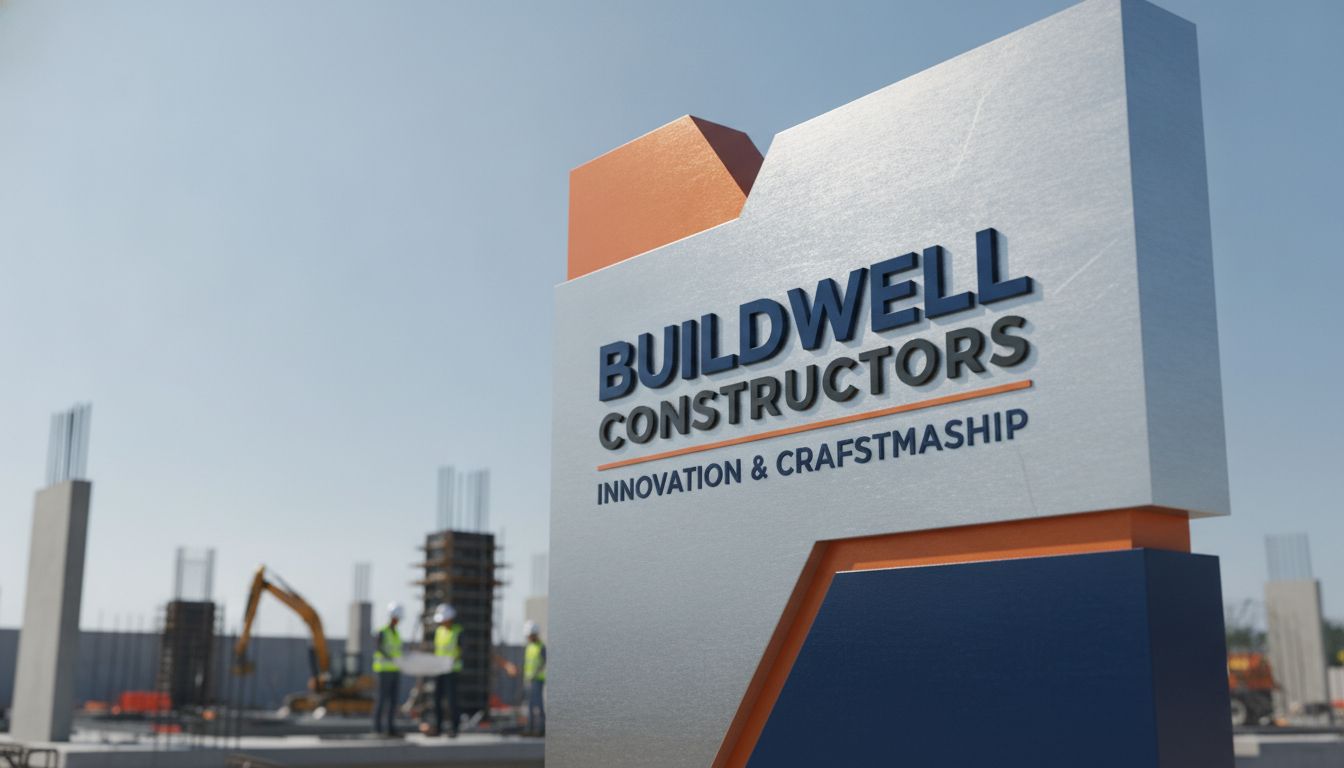
At Signage Melbourne, our in-house design team is skilled at builder signage that balances brand impact with readability. We manage the whole design process, from concept to print-ready artwork. Your signage will look professional and work well on site.
| Design Element | Importance | Best Practices |
|---|---|---|
| Images | Draws people in | Use high resolution |
| Logo | Strengthens brand identity | Position prominently |
| Fonts | Improves readability | Choose clean, sans-serif |
| Colour Schemes | Makes signs easier to see | Use high contrast |
Follow these guidelines and you can create signage that catches the eye and gets your brand message across. This approach will also help you brief your signage projects better, whether you work with us or use your own artwork.
Regulatory Requirements for Builder Signage
Knowing the rules for builder signage is vital for compliance and success. Before you create your construction signs or banners, check the local ordinances. Each area has its own requirements, codes and permit rules that you must follow. If you ignore them, you can face costly fines or have to redo the work.
Local zoning laws vary a lot across Melbourne councils. For example, what is allowed in Dandenong may differ from St Kilda or Geelong. So you need to know the local rules to make sure your signage installation is compliant from the start.
Local Zoning Laws
Local zoning laws set out where and how you can display signage. These laws can cover things such as:
- Sign size and height restrictions
- Types of materials allowed
- Placement in relation to property lines
Safety Regulations
Construction companies must follow strict safety regulations under Australian Standards. The relevant standards include:
- AS 1319: Safety signs and their symbols
- AS 1428: Accessibility requirements for signage
These regulations set rules for sign size, colour coding, symbol use and placement, so that all safety messages are clear and effective.
Accessibility Compliance
Accessibility compliance makes sure all users can read your signage and that it sits at the right height. This includes:
- Using legible fonts and sizes
- Making sure text contrasts with the background
- Positioning signs at accessible heights
At Signage Melbourne, we help builders find their way through Melbourne's rules. Our expertise means your signage meets local council requirements across Melbourne, Geelong, Dandenong and nearby areas. Planning ahead like this protects you from fines and makes sure your construction site signage is compliant and effective.
| Regulation Type | Description | Example |
|---|---|---|
| Accessibility Compliance | Rules for how readable signs are | Braille on directional signs |
| Safety Regulations | Standards for safety signage | Warning signs for hazardous areas |
| Local Zoning Laws | Rules on where signs go and how big they are | Height restrictions in residential areas |
Effectiveness of Digital Signage
Digital signage is changing the way builders share project information. It offers many advantages that can make your construction site far more visible and engaging.
One of the key benefits of digital signage is its interactive features. These displays let passers-by engage with the content directly. Visitors can explore floor plans, check availability or even register their interest on a touchscreen. This both informs and captures your audience, so your project stands out.
Digital signage also gives you real-time updates. You can change project milestones, completion dates or safety alerts instantly, with no reprinting. This flexibility is most useful for larger developments or long projects, where information can change often. With our digital signage solutions, your audience always has the latest updates.
Cost is another strong reason to consider digital signage. The first outlay may be higher than for traditional signs, but you no longer pay to reprint information that changes often. Modern sign printing businesses now also offer web-to-print services. You can tailor and order signage directly through online portals. This cuts overhead while increasing order volume.
At Signage Melbourne, we believe digital signage works alongside traditional builder signage rather than replacing it. It gives you a lively, engaging way to present your projects and meet your audience's needs.
Placement Strategies for Builder Signage
Placing builder signage with care can greatly improve how many people see and engage with it. The right spot catches attention and makes sure your message reaches the right people. In this section, we look at key ways to place your signage for the most impact.
High-Traffic Areas
Finding high-traffic areas is key to placing signage well. Spots such as pedestrian walkways, site entrances and nearby retail strips give you the most exposure. Here are some practical tips:
- Check foot traffic patterns during peak hours.
- Place signage where people can see it from several angles.
- Think about temporary signage for events or promotions to lift visibility.
Visibility from Roadways
Your signage must be visible from roadways, especially for passing vehicles. When you plan placement, think about:
- Vehicle speed and approach angles, so drivers have enough time to read your message.
- The height and size of the signage, so it stands out against nearby structures.
- Lighting options so signs can be seen at night, especially on construction sites.
Neighbouring Properties
Near homes, you need to balance promotion with privacy. Good signage should not disturb neighbours while still doing its job. Here are some things to consider:
- Use fence mesh signage that looks good and suits the local streetscape.
- Keep neighbours informed about your signage plans.
- Keep local rules on signage size and placement in mind.
At Signage Melbourne, our installation team checks your site to find the best spot for your signage. We look at sight lines, traffic patterns and neighbouring properties. That way you get the most visibility while keeping good relations with the community across Melbourne suburbs. Our custom mounting options let you place your banners and signs exactly where you want them. Attractive, weather-resistant mesh banners along fences can go a long way to create buzz. So can vinyl banners in windows, on scaffolding or in front of a construction area.
| Placement Strategy | Benefits | Considerations |
|---|---|---|
| Neighbouring Properties | Keeps good relations with the community | Respect the look of the local area |
| Visibility from Roadways | More drivers notice it | Height and angle adjustments |
| High-Traffic Areas | Gets the most exposure | Monitor foot traffic patterns |
Customisation Options for Builder Signage
Tailoring your builder signage helps you stand out and get your brand across. At Signage Melbourne, we specialise in custom signage that fits your exact site dimensions and brand needs. Whether you need one small sign or a large-scale display, we tailor our options to your needs.
We know every project is different. Our custom options include:
- Tailored Designs: We create designs that reflect your brand, so your signage is not just a generic template.
- Size Variations: From small directional signs to huge building wraps, we can handle any size you need.
- Unique Shapes: Choose from curved hoardings, angled site boards or cut-out lettering to add visual interest.
We offer large-format digital printing and precision cutting, so we can solve unusual signage challenges. If you don’t see what you need, just ask! We can tailor your signage to fit your exact construction graphics needs.
Whether you need one 8" x 10" print or a thousand 50' x 200' large banners, we deliver high-quality results. Our Melbourne team handles everything from design to installation, so your signage looks exactly as you pictured it.
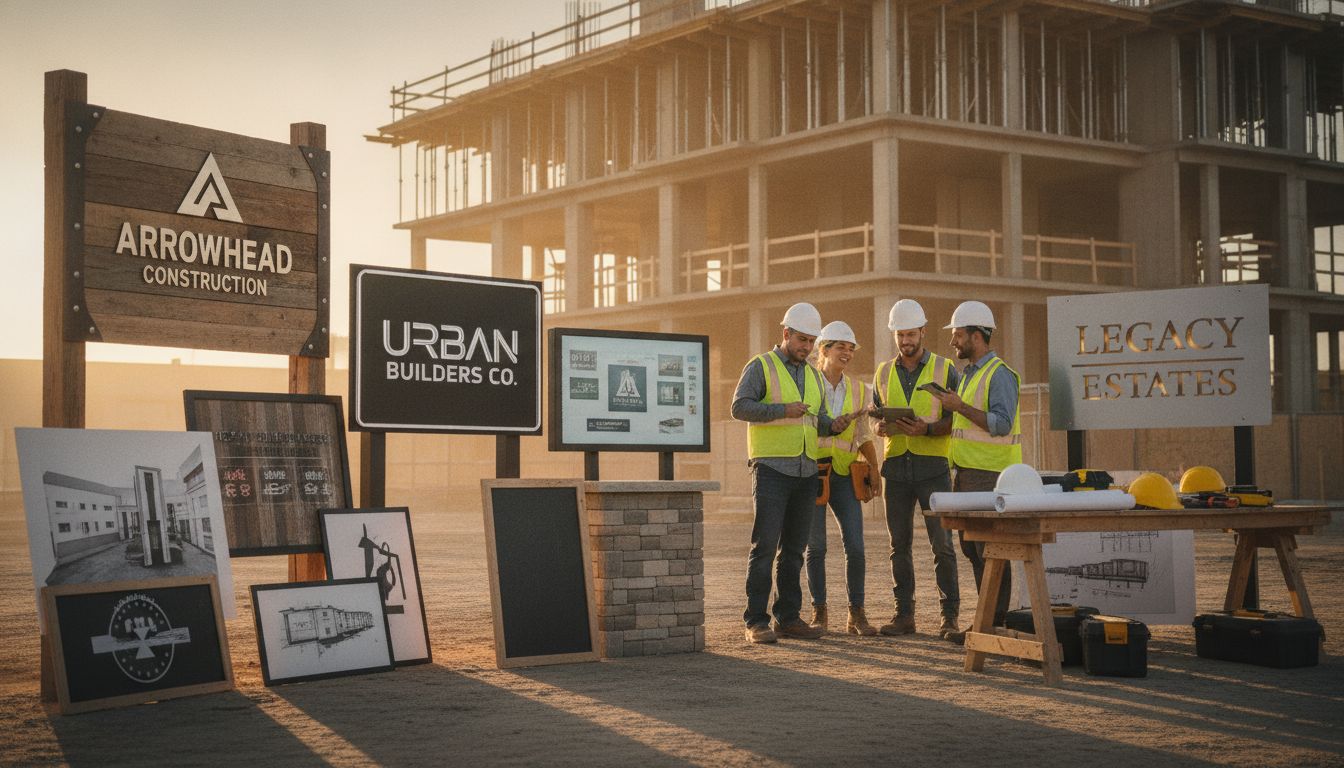
Cost Considerations for Builder Signage
Knowing what builder signage costs helps you make informed choices. Budgeting for signage can be hard, but it is a key part of any construction project. At Signage Melbourne, we give clear pricing for builder signage to suit many project budgets. We help you weigh upfront costs against long-term value, so you get the best return on your investment.
When it comes to signage, there are budget-friendly options. Materials like corflute signs and basic fence mesh work well for shorter projects or tighter budgets. These options may save you money upfront. But think about what you might give up in durability and visibility. Knowing these trade-offs helps you make choices that fit your project goals.
Budget-Friendly Options
- Corflute Signs: Light and fast to install, ideal for temporary projects.
- Basic Fence Mesh: Cost-effective for larger areas, ideal for short-term use.
- Vinyl Banners: Affordable and flexible for many kinds of promotion.
For developers running multi-stage projects, it is vital to think of signage as a long-term investment. Durable signage spreads its cost over several years and gives value well beyond the first outlay. When you invest in quality materials, your signage stands the test of time and keeps representing your brand well.
Long-Term Investment
Durable signage options include:
- Aluminium Signs: Weather-resistant and long-lasting, suitable for permanent installations.
- High-Density Foam: Gives a premium look while being light and durable.
- Illuminated Signs: Catch attention and make you more visible, ideal for ongoing projects.
In the end, the goal is value for money. You need to match the material and production method to how long your signage needs to last. For example, there’s no point paying for 10-year durability on a 6-month project. We see Signage Melbourne as your partner in spending wisely, not just cheaply.
Value for Money
To make sure your signage budget fits your overall project costs, consider the following:
- Look at your project timeline and needs.
- Choose materials that fit both your budget and how long the signs need to last.
- Talk to our team about options that get the most from your investment.
With the right advice, you can make signage choices that fit your budget and help your project succeed. Let us help you work through the costs of builder signage.
The Role of Signage in New Project Promotions
Builders can use signage to build excitement around their next projects. Signage is more than a legal requirement. It’s a strategic marketing asset that can have a big effect on how visible and appealing your project is. Good signage draws in potential clients and shows what’s coming as the development takes shape.
To attract potential clients, your signage should give the key facts clearly and fast. A well-designed site board or hoarding wrap needs to show what is being built, who is building it and how to make inquiries. It must do all this within seconds of catching a passer-by's eye. That instant message can leave a lasting impression.
Attracting Potential Clients
Bright, informative signage can help catch the eye of potential buyers. This includes:
- High-quality images of the development
- Clear contact information
- Promotional offers or incentives
Showcasing Upcoming Developments
Showing off your upcoming developments is key to building anticipation. Use signage to display:
- Architectural renders
- Floor plans
- Lifestyle imagery that reflects the community
This turns your construction site into a 24/7 sales display, so potential clients can picture their future in the new development.
Engaging with the Community
Engaging with the community is vital for building goodwill and cutting complaints. Informative project panels can include:
- Project timelines
- Updates on construction progress
- Contact details for inquiries
When you keep the community informed, you build trust and openness. This can lead to good relationships and support for your projects.
At Signage Melbourne, we understand the challenges builders face in promoting their projects. Our design team takes a marketing approach to signage. Your signage will comply with regulations and also promote your brand and project well. Let us help you create signage that speaks to your audience and supports your project marketing goals across Melbourne.
| Signage Type | Purpose | Key Features |
|---|---|---|
| Community Panels | Engage Community | Timelines, Updates |
| Hoarding Wraps | Showcase Developments | Visuals, Branding |
| Site Boards | Attract Clients | Contact Info, Project Details |
Maintenance Tips for Builder Signage
Caring for your signage keeps it looking good and makes it last longer. Regular maintenance is vital to keep your construction site signage professional and effective for the whole project. Here are some key tips to help you maintain your builder signage:
Cleaning Recommendations
Different materials need different cleaning methods. For example:
- Mesh Banners: Use mild soapy water and a soft cloth so you don't damage the fabric.
- ACM Panels: You can use a gentle cleaner, but avoid abrasive materials that may scratch the surface.
- Corflute Signs: Clean these with water and a soft brush to remove dirt and debris.
The wrong cleaning product can cause fading or damage, so always check the maker's advice.
Repairing Damage
Fast repairs are key to keeping a professional look. Common issues include:
- Torn fence mesh: Patch small tears with fabric adhesive or replace the section.
- Water-damaged site boards: Make sure they are properly sealed to keep moisture out.
- Graffiti: Use the right remover for each material to avoid more damage.
Dealing with these issues early can stop small problems from turning into costly replacements.
Seasonal Considerations
In Melbourne, the changing seasons can affect your signage:
- Summer: UV exposure can speed up fading. Consider UV-resistant materials.
- Winter: Storms may loosen fixings, so check that signs are secure on a regular basis.
- Autumn: Falling leaves can hide ground-level signage, so keep these areas clear.
If you stay on top of it, your signage will stay effective and look good all year round.
At Signage Melbourne, we give ongoing support for builder signage, including maintenance advice, repairs and replacement when needed. Our quality checks include careful design matching and inspection. You get signage that stands up to harsh weather and holds together over time.
Future Trends in Signage for Builders
Signage for builders is changing fast. Looking ahead, it is clear that taking up new ideas will be vital to stay competitive. Signage Melbourne is committed to making sure our Melbourne builder clients benefit from the latest signage technology.
Sustainable practice is becoming the norm in the industry. More and more builders want signage made from recyclable materials, PVC-free options and water-based inks. These eco-friendly choices help you meet sustainability certifications. They also appeal to clients who care about the environment.
Smart signage technology is another exciting trend. Features like QR codes and NFC-enabled signs give instant access to project updates. This improves communication with potential clients and the community. Digital displays can also link to project management systems, so up-to-date information is always on hand.
Adaptive designs are changing how we think about signage. Modular systems that you can reconfigure for each project phase cut waste and costs. Reusable frames and scalable branding templates give you flexibility, which makes them ideal for multi-stage developments.
At Signage Melbourne, we are actively investing in these trends. Our goal is to give Melbourne builders the tools they need to succeed now and in the future. We focus on sustainable, smart and adaptive signage, so your investment stays relevant and effective. When the project moves from site boards to permanent identification, see our building signage Melbourne page.