

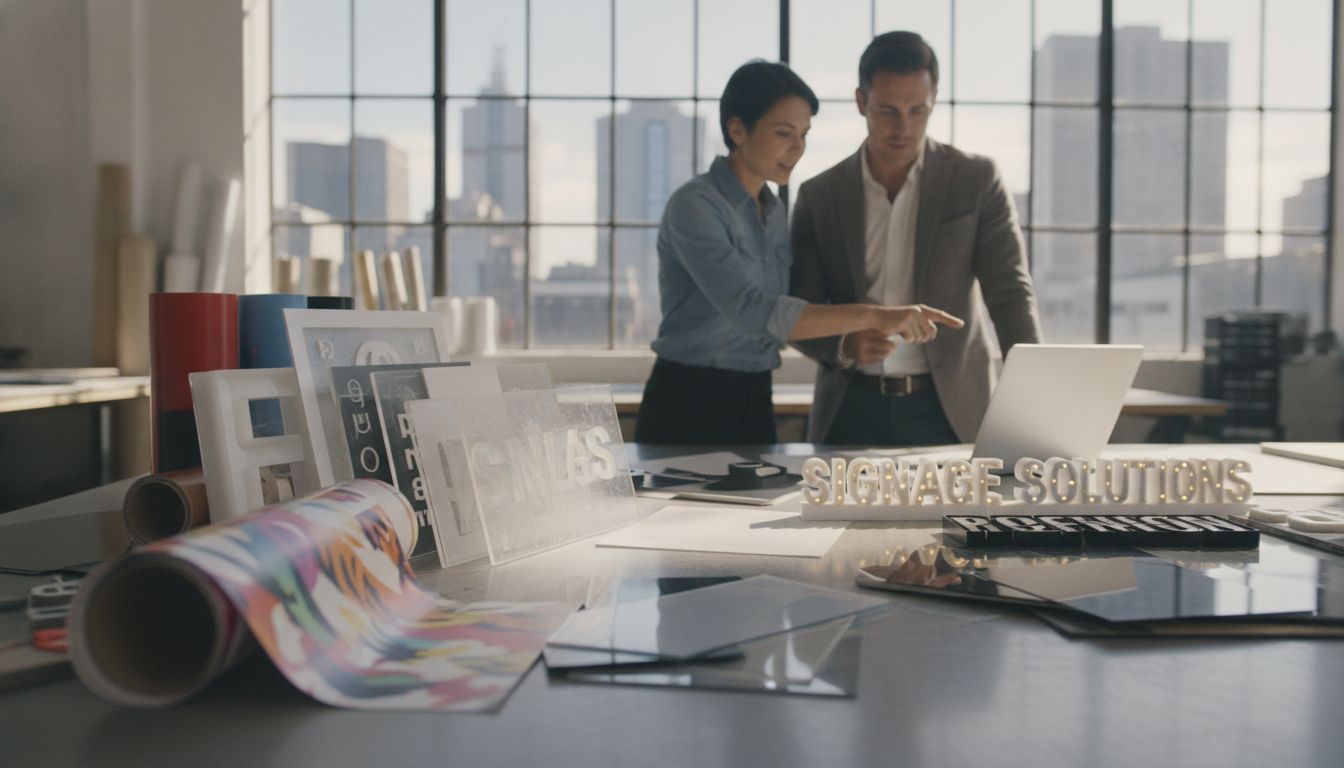
Choosing the right signage materials is vital for any business that wants to be seen and build its brand. In Melbourne, where competition is fierce, knowing your options can make all the difference. You might be planning a shopfront in Richmond or a vehicle wrap for the Western Suburbs. Either way, the substrate you choose affects how long the sign lasts, how it looks and what it costs.
At Signage Melbourne, we offer full signage services and guide you through every step, from first advice to installation. Our know-how covers many materials, including acrylic, aluminium, vinyl and corflute. This guide aims to make your choice clearer, so you pick the best options for your needs.
We believe that knowledge is power. When you know the materials on offer, you can brief your signage partner well. You can also make informed choices that match your brand’s goals. Our skilled team handles everything under one roof, and we’re here to make sure your signs perform at their best in Australian conditions.
Understanding Signage Materials: An Overview
With signage, the materials you choose can make a big difference to how well a sign works and how long it lasts. Knowing your signage materials is vital for any business owner who wants to make a lasting impression. From shopfronts to corporate offices, the right materials help you stand out and look professional.
Signage materials are the substrates used to make all kinds of signs, including advertising, wayfinding, retail and exhibition signage. These materials fall into two main groups: rigid and flexible. Rigid materials include acrylic, aluminium, PVC board and foam board. Flexible materials, on the other hand, are mainly vinyl.
The material you choose often depends on where the sign will go. For instance, indoor signs don't usually need to stand up to harsh weather. Outdoor signs, by contrast, must be tough enough to resist sun, rain and changes in temperature. Knowing these differences is key to making informed choices.
What Are Signage Materials?
Signage materials are the base of any sign, and they carry your brand message. Take the aluminium composite panel on a St Kilda shopfront. Or take the vinyl graphics in the waiting room of a Geelong medical centre. Both show how varied these materials can be. Each type of material has its own benefits that suit certain needs.
Importance of Choosing the Right Materials
The signage materials you choose affect how long your signs last and also how people see your brand. A faded or warped sign outside your Brighton retail store can send the wrong message to customers before they even step inside. It’s vital to choose materials that show the quality and professionalism of your business.
At Signage Melbourne, we know how much these choices matter. We guide our clients through the choice, with site conditions, budget and timelines in mind. Our experience making signs for Melbourne businesses means we can help you make the best choice for your needs.
Types of Signage Materials
With signage, the materials you choose can have a big effect on how well your displays work and how long they last. Here, we look at three popular types of signage materials: acrylic, aluminium and vinyl. Each has its own qualities that suit it to many uses, from corporate signage to shop signage.
Acrylic: Versatile and Durable
Acrylic signs are known for their clear, glossy finish, which gives a modern, high-end look. This material is often chosen for raised letters, illuminated signs and channel letters. That makes it a top choice for corporate spaces.
One of the best things about acrylic is how well it lasts outdoors. With a UV-resistant coating, these signs can stand up to the harsh Australian sun without turning yellow over time. This makes them ideal for high-end retail fit-outs in areas like Brighton, or for lobby signs in Richmond office towers.
Aluminium: Lightweight Yet Strong
Aluminium signage is another popular option, above all for outdoor use. It is light but very strong, which makes it perfect for flat-panel signs, wayfinding systems and signs mounted on buildings. Aluminium resists rust. That is a big plus in coastal areas like St Kilda and Elwood, where salt air can corrode weaker materials.
If you need a perfectly flat surface for large-format printing, aluminium composite material (ACM) is a great choice. This material gives you the best of both worlds: it lasts and it looks good.
Vinyl: Cost-Effective and Customisable
Vinyl signage is made from PVC, and it is very versatile and cost-effective. Because it is flexible, it is practical to transport and install, which makes it a go-to option for short-term advertising. You can find vinyl graphics in offices, stores and commercial spaces, showing logos, brand messages or decorative designs.
From full vehicle wraps for tradies in the Western Suburbs to wall graphics in Dandenong medical practices, vinyl can be made to suit many needs. Because it adapts so well, many businesses choose it.
| Material | Key Features | Best Use Cases | Durability |
|---|---|---|---|
| Vinyl | Flexible; cost-effective | Temporary signage, vehicle wraps | Moderate (depends on thickness) |
| Aluminium | Light; rust-resistant | Wayfinding, building signage | Very high (ideal for coastal areas) |
| Acrylic | Clear, glossy finish; UV-resistant | Corporate signage, retail fit-outs | High (outdoor grade available) |
Indoor vs. Outdoor Signage
To choose the right signage for your space, you need to know if it will be used indoors or outdoors. Each setting has its own needs, and these decide which materials and designs will get your message across.
Weather-Resistant Materials for Outdoor Use
Outdoor signs face harsh conditions, from strong sun to heavy rain and strong winds. So choosing weather-resistant materials is vital. For areas with high UV, we recommend materials like aluminium composite panels or exterior-grade acrylic. These materials resist fading, warping and delamination, so your signs stay bright and intact.
When we look at outdoor signage, we check the install site for sun, wind load and moisture. This helps us recommend the best materials for your site, whether it's in Melbourne, Geelong or Dandenong.
Aesthetic Choices for Indoor Signage
Indoor signage, by contrast, focuses more on looks and the quality of the finish. Durability still matters, but the materials can be lighter and more visually appealing. Options include foam core board, gator board, polystyrene and vinyl graphics.
For example, a healthcare wayfinding system in a Melbourne hospital needs to be both durable and attractive. Interior acrylic or PVC board works well in these settings. In the same way, a retail promotion in a shopping centre might use light foam board or vinyl decals to catch the eye.
Keep in mind that an indoor sign should not be cheap just because it is indoors. Lobby signage, for instance, must impress visitors and look professional.

Quality vs. Cost: Finding the Balance
Getting the balance right between quality and cost is vital for any signage project. At Signage Melbourne, we know that every business has a budget to work within. But it's vital not to fall into the trap of false economy.
Durable signage can save you money over time. For example, a cheap corflute sign might do the job for a weekend event in Dandenong. But the same material used for permanent shop signage in Richmond could look shabby within months. That harms your brand image, and it also means extra costs for new signs.
Investing in Durable Signage
When you think about signage materials, it’s worth looking at the different cost levels:
- Economy Options: Materials like foam core, coroplast and vinyl banners cost less and suit short-term projects.
- Mid-Range Choices: PVC and acrylic give a good balance of cost and quality, which makes them ideal for office and retail fit-outs.
- Premium Investments: Aluminium, stainless steel and bronze are highly durable and keep their looks for a long time. They are perfect for architectural building signage that needs to last a decade or more.
Some signage materials need cleaning or repairs from time to time, so think about the long-term costs, not just the first price. Before we make a recommendation, we ask about your timeline, how you position your brand and your site conditions. This way you don't spend too much, but you don’t spend too little either.
How Budget Affects Material Choices
Your budget has a direct effect on the signage materials you can choose. Here’s how:
- Short-Term Projects: Choose cost-effective materials that are practical to replace.
- Long-Term Branding: Invest in durable signage that shows your brand’s professionalism.
- Flexibility: Choose materials that can adapt as your needs change, without breaking the bank.
At Signage Melbourne, we give you the knowledge and confidence to carry out your signage projects well. Whether you need commercial signage, shop signage or building signage, we help you find the right balance between quality and cost.
Printing Techniques for Signage Materials
Printing methods play a key role in how your custom signage will look and perform over time. At Signage Melbourne, we know that the right printing method can make your signage materials brighter and longer-lasting. That helps them make a lasting impression.
Two popular printing methods are UV printing and digital printing. Each has its own strengths and uses, which suit them to many signage needs.
UV Printing: High-Quality Output
UV printing uses ultraviolet light to cure, or dry, the ink as it is printed. The result is high-quality print with bright colours that lasts very well. The cured ink bonds straight to materials like ACM and acrylic, which makes it ideal for outdoor signage. In Melbourne's sunny climate, UV printing keeps your signs weather-resistant, so they don't peel or fade over time.
Digital Printing: Versatility and Precision
Digital printing is very versatile and precise. It allows detailed graphics and variable data printing. This method is perfect for detailed designs, corporate branding and photo-quality images.
Different materials take print in different ways. For instance, ACM gives a smooth surface that is ideal for large graphics, while polystyrene works very well for retail signage. We match the printing method to both the material and the use. That way your custom signage in Brighton looks as sharp after two years as it did on the day it was installed.
The right printing method improves how your signage looks and also helps it last. With in-house design and production, we are committed to delivering high-quality custom signage for businesses across Melbourne, Geelong and nearby suburbs.
Sustainability in Signage Materials
Sustainable signage materials matter more and more to businesses. Demand for eco-friendly options is growing. Companies in Melbourne want materials that meet their branding needs and also fit their values on the environment.
Choosing sustainable signage materials is key for a responsible business. Many traditional materials can do real harm to the environment, from how they are made to how they are thrown away. But there are now many eco-friendly options that give nothing away on quality or looks.
Eco-Friendly Alternatives
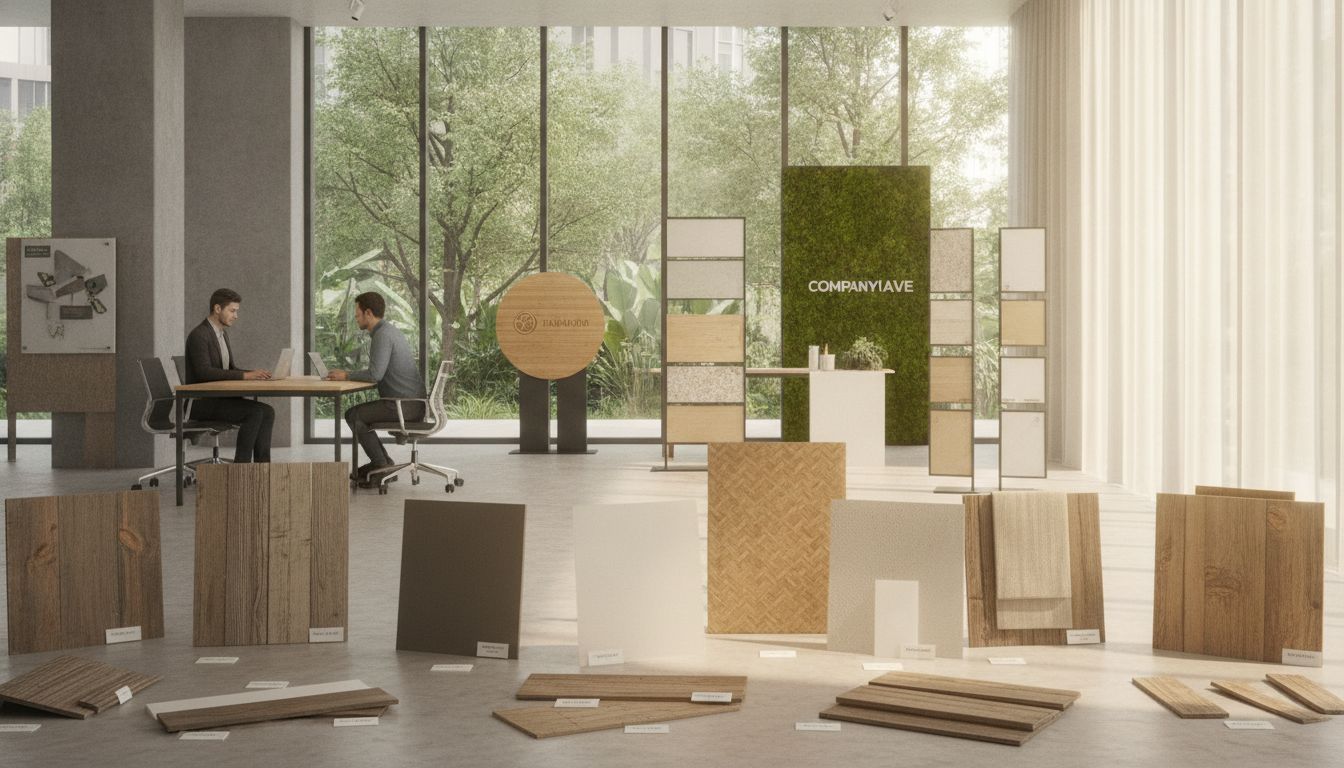
Among the best options are recyclable materials like aluminium, which can be recycled again and again without losing quality. This makes aluminium a great choice for corporate signage, as it cuts waste and supports a circular economy. Newer eco-friendly substrates are also coming onto the market, which gives businesses more sustainable choices.
At Signage Melbourne, we think about the full life of our signage materials. We specify materials that can be recycled at the end of their life, to keep harm to the environment low. Our UV-cured inks do not give off harmful fumes. That makes our signs safer for the environment and for the people around them.
Importance of Sustainable Choices
Sustainable signage is not just a choice for the environment. It’s a practical business decision. For example, a durable aluminium sign that lasts ten years creates far less waste than cheaper options that may need replacing every 18 months. A long life can also lift your brand's name. This is true above all in sectors like healthcare and education, where green credentials matter more and more for tenders.
When you choose sustainable signage, you show your business takes the lead on caring for the environment. This appeals to eco-conscious consumers. It also fits the growing trend of corporate sustainability programs. As Melbourne businesses work to build their brand, informed choices about signage materials can set them apart from rivals.
Customisation Options in Signage
Customisation is key to creating signage with real impact that suits your brand. Today, businesses have many ways to tailor their signs. That makes them unique and good at getting the message across.
Custom Shapes and Sizes
Modern fabrication methods let us go beyond standard rectangles. With methods like CNC routing and laser cutting, we can make custom shapes from materials such as acrylic, aluminium and PVC. This means your signs can match your brand's logo or the features of your building perfectly.
For instance, a retail shop in Elwood might choose shaped acrylic panels with stand-off mounts to create a boutique feel. A construction company in the Western Suburbs, by contrast, may need oversized corflute signs for site hoardings. Corflute signs are very popular for short-term uses because they are light and cost-effective.
Digital vs. Handcrafted Designs
When you decide between digital and handcrafted designs, think about what your project needs. Digital printing is precise and repeatable. That makes it ideal for franchise rollouts across many sites in Melbourne. This method keeps your branding the same on every sign.
Handcrafted touches, on the other hand, can add something unique. Gold leaf or hand-painted details suit heritage buildings and premium hospitality venues. Both options have their place. The right one depends on your business's goals and the look you want.
| Signage Type | Best For | Advantages |
|---|---|---|
| Handcrafted Signs | Heritage and Premium Venues | Unique, artistic, high-quality finish |
| Acrylic Signs | Retail and Corporate Branding | Durable, custom shapes, professional look |
| Corflute Signs | Temporary Applications | Light, affordable, less time to make |
At Signage Melbourne, we offer a range of custom signage options, including vehicle signage, shop signage and corporate signage. Our flexible design lets you choose the best materials and styles to match your brand.
The Role of Colour in Signage Materials
Colour on signage materials does more than look nice. Colour is a powerful tool that can shape how people see you and what customers do. Knowing how colour works with different materials is key to making signs that work.
Different materials take colour in different ways. For instance:
- Acrylic: Gives a glossy, modern look that makes colours pop.
- Aluminium: Comes in many colours with matte or glossy finishes, so it is versatile.
- Vinyl: Known for showing bright colours and sharp graphic detail.
UV-resistant coatings are also vital for outdoor signage materials. They help stop fading over time, so your shop signage stays eye-catching and keeps working.
Impact of Colour Psychology
Colour psychology plays a big role in how people see your signs. Here are some key links:
- Blue: Shows trust and professionalism, which is ideal for corporate offices and healthcare settings.
- Red: Creates urgency and makes people hungry, so it works well for retail and hospitality.
- Green: Signals sustainability and calm, which is perfect for eco-friendly brands.
At Signage Melbourne, we understand these fine points. We help you choose colours that match your brand and perform well on the signage materials you choose.
Choosing Colour Combinations
When you choose colour combinations, think about the following:
- Test how your brand colours come out on different substrates.
- Use UV-stable inks and protective laminates for outdoor uses.
- Check how colours will look under Australian UV, to avoid fading.
We provide physical material samples. That way you can see how your colours look before you commit to a full production run for your Melbourne signage project.
Maintenance of Signage Materials
To protect your investment, it is vital to know how to care for your signs. Good upkeep can make your signage materials last much longer. It also keeps them working and looking good for years to come.
Here are some key tips for looking after different types of signage:
Regular Cleaning Tips
- Acrylic Signs: Use a microfibre cloth and mild soapy water. Avoid glass cleaners with ammonia, as they can cloud the surface over time.
- Aluminium and ACM Signs: We recommend a wash once a year to remove built-up grime. This matters most in coastal areas like St Kilda and Elwood, where salt can build up.
- Vinyl Graphics: Check often for lifting edges. Fix small problems promptly so they don't turn into major failures.
Protecting outdoor sign materials from sunlight is vital. Many signs gain from UV-resistant coatings or protective laminates, which can help them last longer and keep their looks.
Repairing Damaged Signage
When it comes to repairs, knowing when to save a sign and when to replace it can save you money:
- Polishing Scratches: A scratched acrylic panel can sometimes be polished to make it clear again.
- Resealing Edges: A delaminated ACM edge can often be resealed, which adds to the sign's life.
- Replacement Considerations: If the damage is major, replacement may cost less in the long run.
At Signage Melbourne, we provide ongoing support after signage installation Melbourne-wide. Our team is here to advise you on upkeep, to help your building signage, shop signage and commercial signage last longer. Keep in mind that your signage is a working asset, not just a one-off purchase.
Future Trends in Signage Materials
Looking ahead, the world of signage materials is changing fast. New technology is changing how businesses get their message across. Knowing these trends can help you make informed choices for your signage needs.
One of the most exciting changes is the rise of digital signage. This technology allows content that can be updated in real time. More and more businesses across Melbourne are using digital displays, from retail shops to corporate offices. These displays draw attention, and they also give customers useful information.
Innovations in Technology
Recent advances in signage technology include ultra-thin LED panels that blend in smoothly with traditional materials. These panels look good and are also energy-efficient. New sustainable substrates made from recycled materials are also catching on, in line with the growing demand for eco-friendly options.
Another notable new product is the self-cleaning coating. These coatings greatly cut the upkeep needed for hard-to-reach signs. This helps most on large commercial buildings, where upkeep can be a challenge.
Growing Popularity of Smart Signage
Smart signage is changing the industry. Picture a shopfront in Richmond that pairs a static aluminium fascia with a built-in digital screen. This set-up allows promotions that can be updated at a moment's notice. In the same way, wayfinding kiosks in Dandenong hospitals can give updates in real time, which improves the visitor experience.
Digital signage offers flexibility and engages people, but it does not replace traditional materials. The best commercial signage plans often combine both approaches. At Signage Melbourne, we help you create hybrid signage that balances the permanence of physical materials with the agility of digital content.
To sum up, keeping up with signage technology trends is vital for Melbourne business owners. When you adopt these new ideas, you can future-proof your investment and help your brand be seen.
Choosing the Right Supplier for Signage Materials
Choosing the right supplier for your signage materials is vital. A reliable partner can guide you through the complex world of signage in Melbourne. You want a team that understands your needs and can recommend the best options for your business.
Think about these factors when you compare suppliers:
- In-House Capabilities: Does the supplier manage everything from design to signage installation in Melbourne? A start-to-finish service keeps the work the same throughout, with one team responsible.
- Site Assessment: A good supplier will ask about your site conditions, timeline and budget before suggesting materials. This tailored approach helps you choose the right signage materials.
- Material Samples: Look for suppliers who provide samples. That way you can judge the quality of the materials and whether they suit your commercial signage.
- Local Knowledge: A Melbourne-based supplier understands local weather challenges and council rules. This insight is vital for making informed material choices.
At Signage Melbourne, we offer full services from first advice to installation. Our team is here to help you through the signage process. We look at your unique needs and give clear quotes for signs that are designed, made and installed by our skilled team.
Ready to make your business more visible? Contact Signage Melbourne for a consultation. We will guide you through the material options, so you choose the best signage for your brand. If the brief calls for a fabricated or one-off piece, see custom signage Melbourne.