Service · Construction Signage
Construction sites change quickly. Signage needs to arrive at the right stage, communicate clearly and remain presentable through weather, traffic and day-to-day site activity.
From one site board to a full hoarding, safety and wayfinding package, one responsible Melbourne team handles it. Signage Melbourne plans, makes, delivers and installs your construction signage.
Why It Matters
Construction signage does several jobs at once. It presents the builder and developer well and gives the public and site visitors the information they need. It also helps people move around an active project more safely and clearly.
The best result is planned around the project stage, viewing distance, weather on site, changing access and how long each sign needs to stay up.
Matching site boards, hoarding and branded fence signage give the development a well-planned public face.
Entry, visitor, delivery and project information is placed so people can take it in fast around an active site.
We plan materials, quantities, delivery and installation around project stages, access dates and changing needs.
We can keep approved artwork and specs for updates, replacement panels and future projects.
Construction Signage Services
We plan temporary and project-stage signage around the property, the audience and how long it needs to last. The final package can mix branding, sales messages, safety information and site directions.
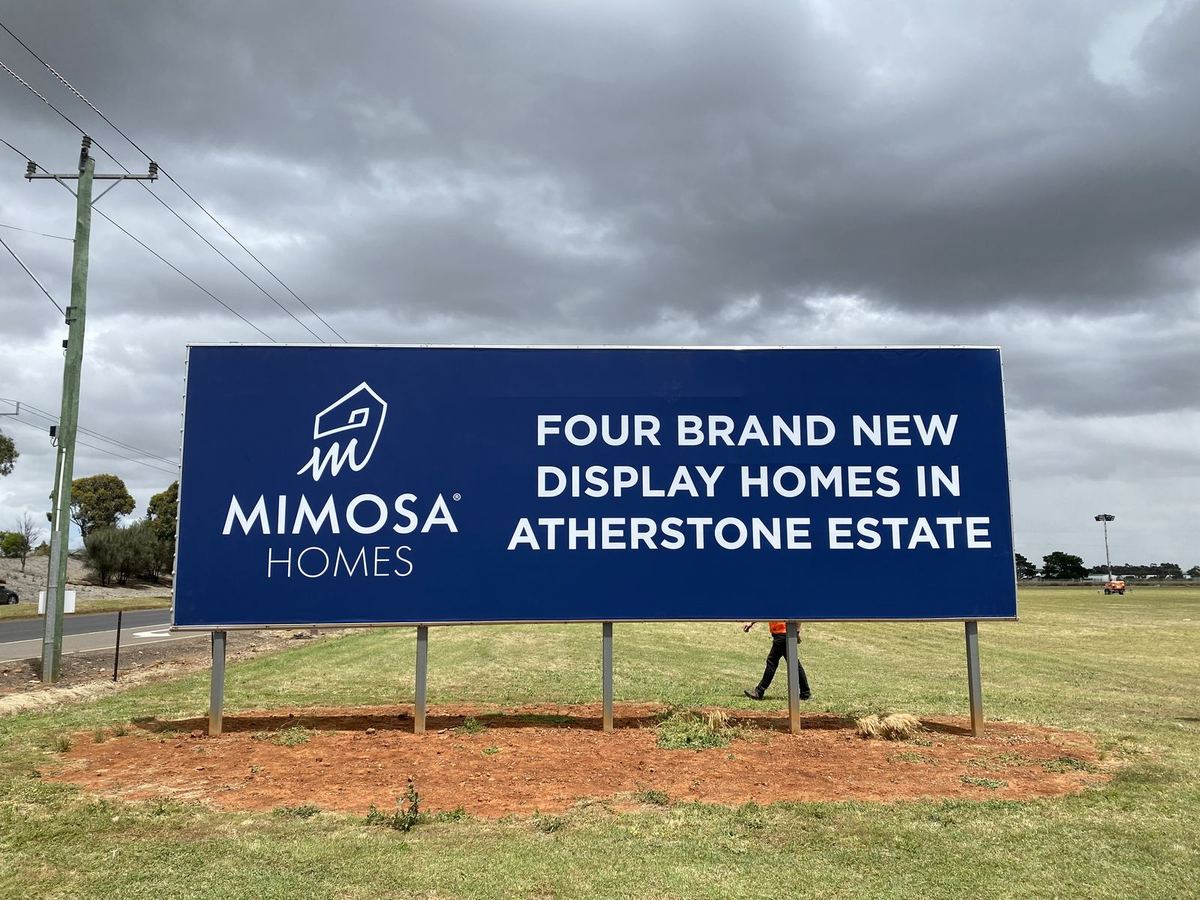
Project details, builder branding, contacts and key information, made in sizes and materials that suit the site and viewing distance.
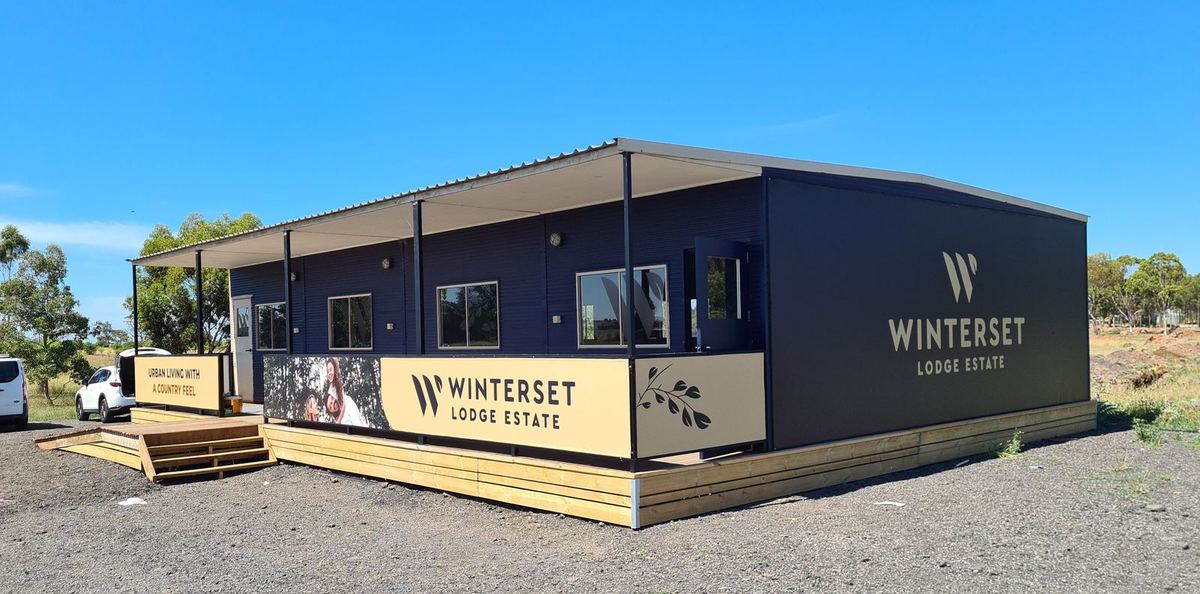
Large-format development branding, renders, sales messages and enquiry details for spots the public can see.
Printed panels or applied graphics that turn temporary barriers into a unified project display.
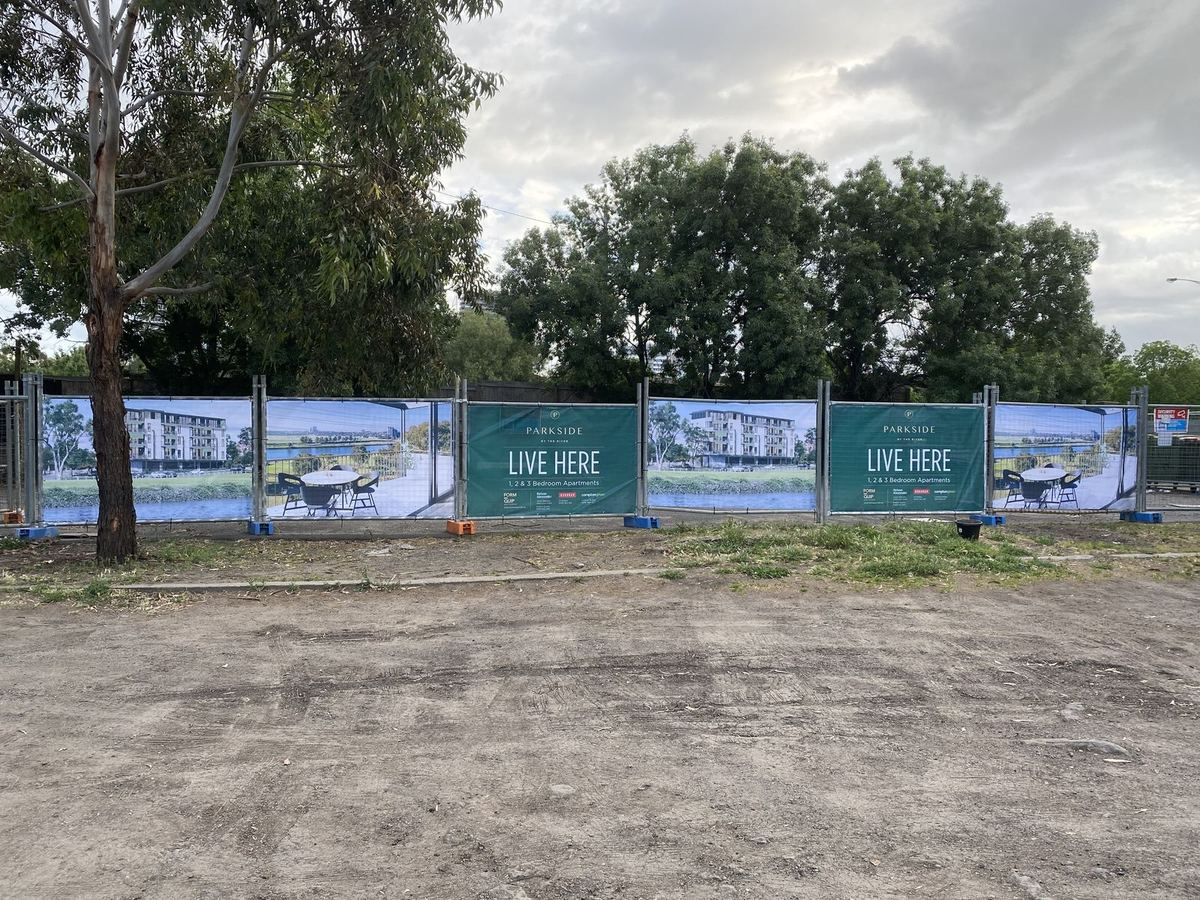
Printed mesh that lets wind through, for temporary fencing, long boundaries and sites where solid panels will not suit.
PPE, hazard, emergency, access and site-rule signs, made from approved content and placed where people will see them.
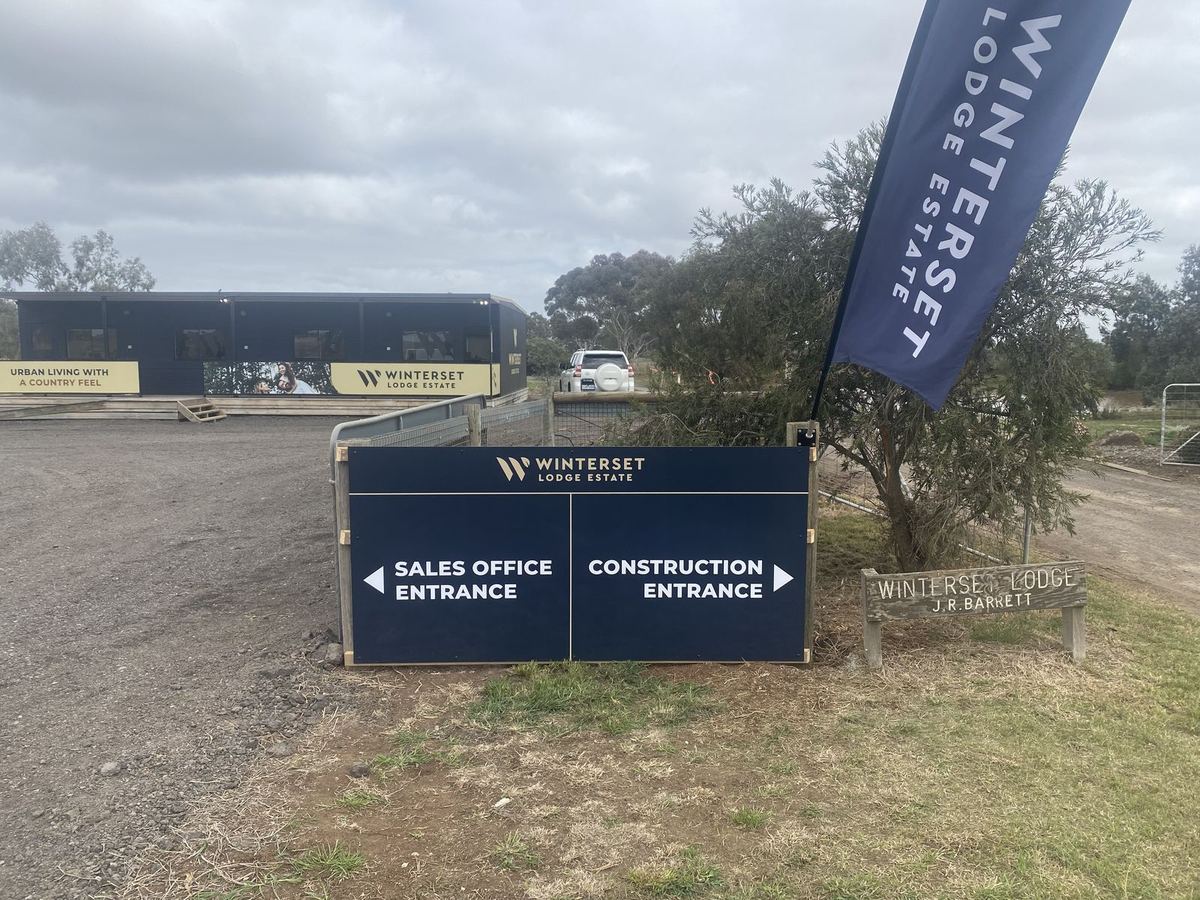
Visitor instructions, parking, delivery routes, site office signs and directions for each stage.
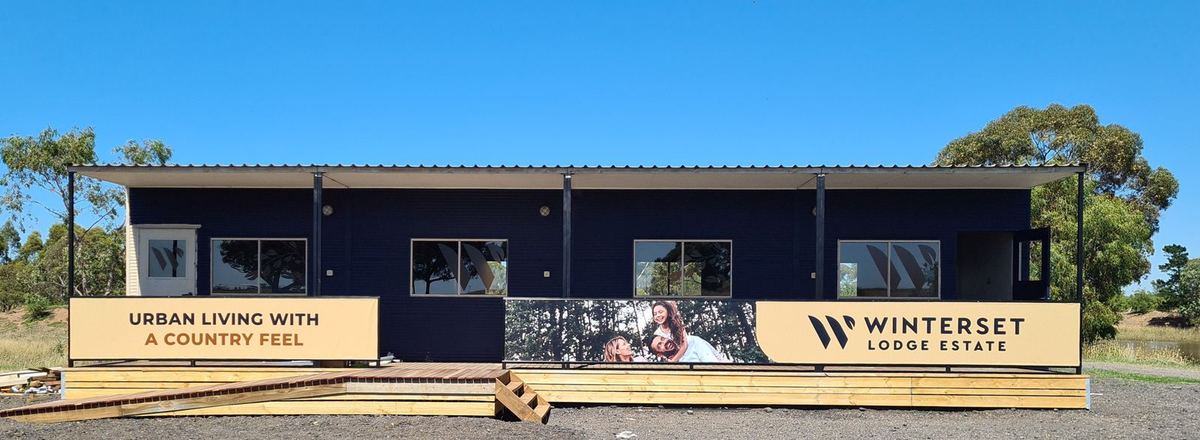
Outside signs, windows, internal graphics and customer information for development sales spaces.
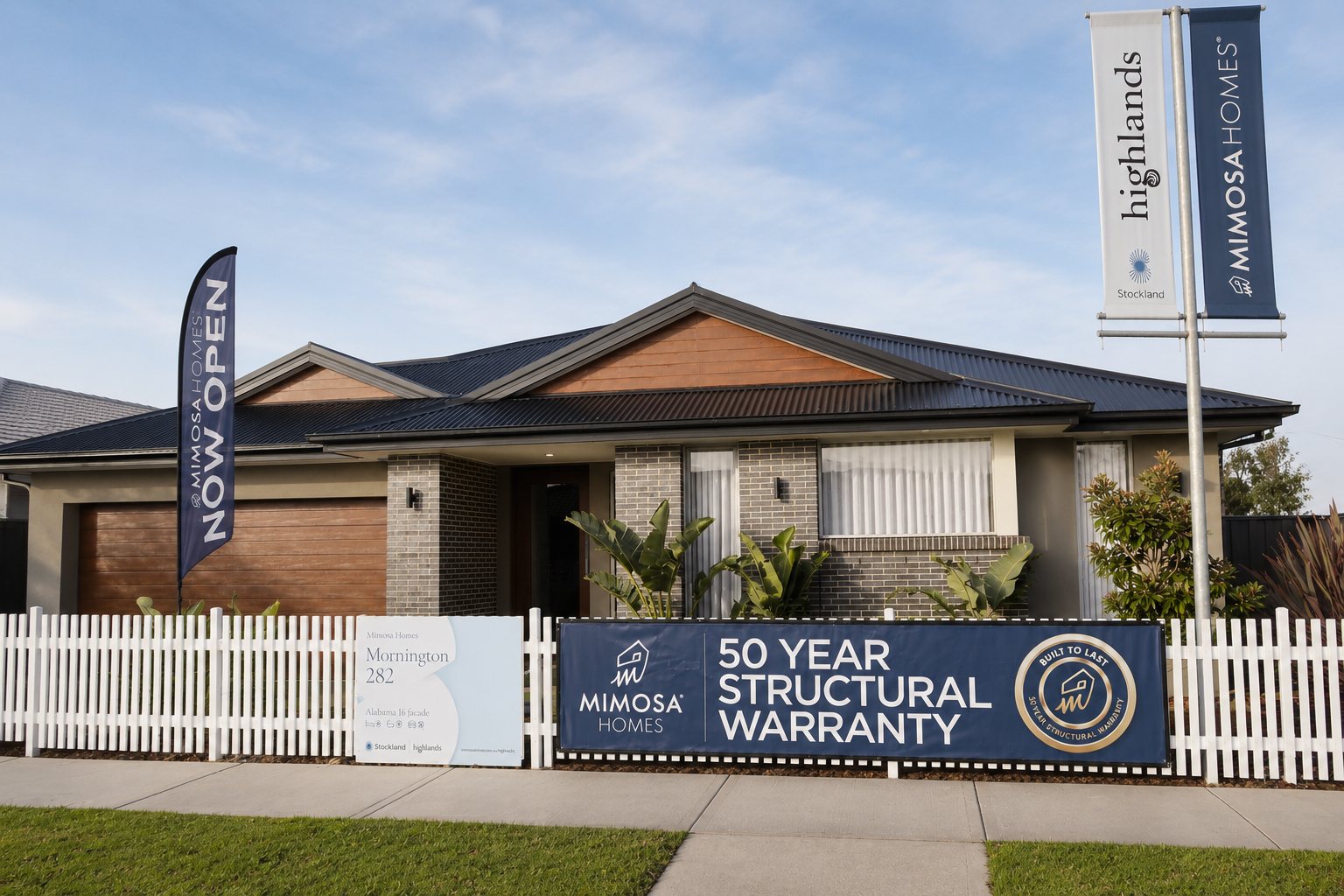
Reusable templates, specs kept on file and planned ordering for builders and developers running several active sites.
Hoarding For Developers
For a developer, the site perimeter is often the first place buyers see the project. Long before a display suite opens or the building takes shape, hoarding graphics can show the finished design. They can name the development and tell passers-by how to enquire. The required site information still has its place. The rest of the frontage can work as advertising on the exact street buyers are looking at.
Renders, lifestyle images and the apartment or home mix show buyers what is being built. They do this while the site is still behind a fence.
We size and place the project name, sales agent contacts, website and sales office location. That way they can be read from the footpath and from passing traffic.
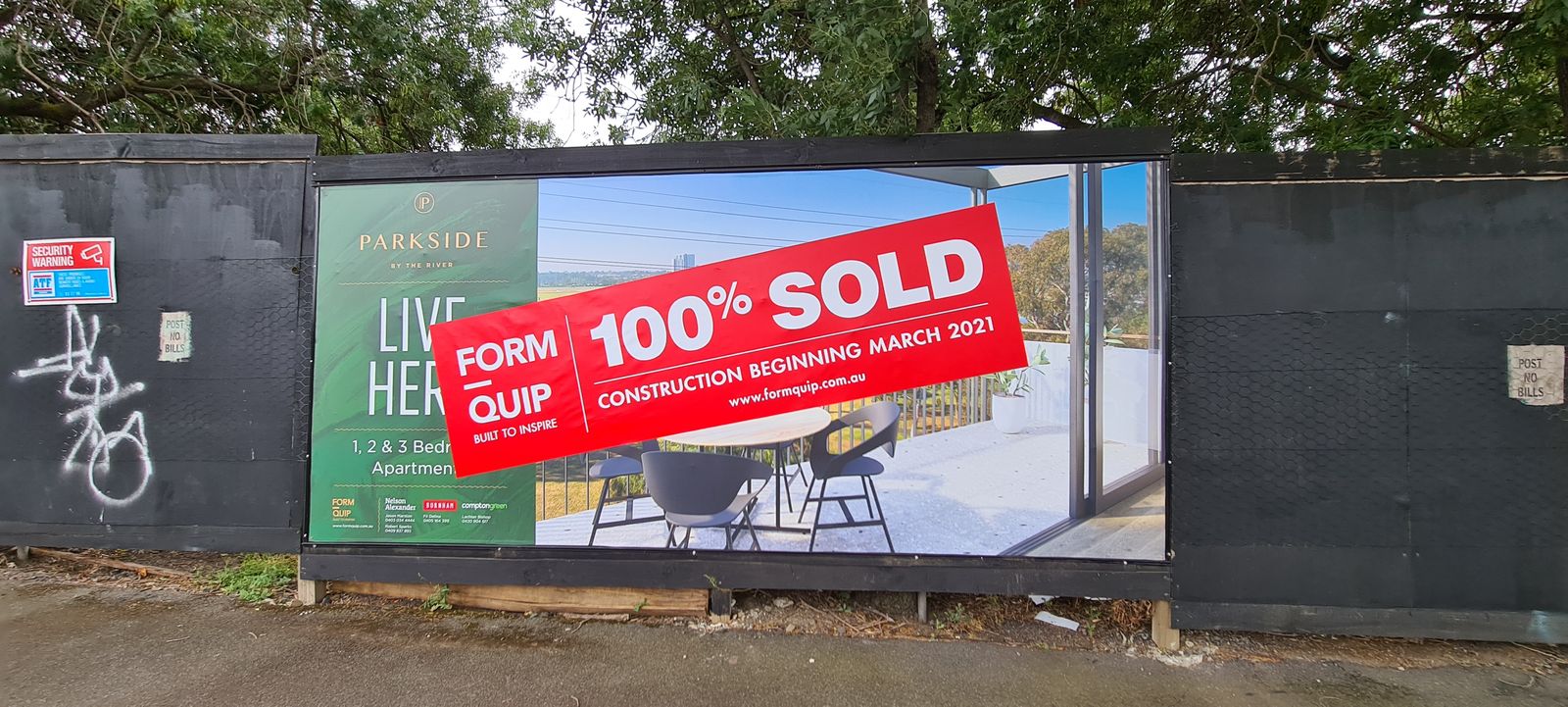
Stage releases, new sales messages and sold-out notices can be added as overlays or replacement panels, without reprinting the whole perimeter.
Already have print-ready artwork or a developer template? Start with a short enquiry, then send the files by email. We check every file for the final size, material and production method before anything is printed.
Project and Material Planning
A short-term direction sign and a multi-year developer board should not be made the same way. We suggest materials and finishing based on how long the sign will stay up and where it will sit. We also weigh how it will be fixed and how polished it needs to look.
Planning also sets who owns the content, how we get access to install and what the project team must supply or approve. On active sites, we plan installation around the builder's site rules, inductions and delivery windows.
| Project factor | What we review | Why it matters |
|---|---|---|
| Project stage & timing | Site establishment, sales period, construction phases, opening dates and required installation sequence | Makes sure each sign is ready when the site needs it, and not made too early |
| Duration & exposure | Expected service life, wind, rain, UV, dust, traffic and likelihood of damage or relocation | Guides the substrate, print method, finishing and plans for replacement |
| Viewing distance | Road speed, pedestrian approach, fence setback, obstructions and amount of information | Sets the sign size, layout, contrast and how easy it is to read |
| Surface & fixing | Temporary fencing, hoarding, posts, existing structures, wind loading and access for installation | Shapes the panel size, eyelets, frames, fixings and safe installation |
| Content & approvals | Brand guidelines, project contacts, renders, sales messages, site rules and approved safety content | Cuts late changes and makes clear who is responsible for regulated information |
| Delivery & site access | Induction, delivery windows, crane or lift activity, traffic plans and site-contact coordination | Helps signage arrive and be installed without interrupting the program |
What Drives The Price
Two sites of a similar size can need very different signage. These six factors drive the cost of construction signage most. We review each one when we look at the site and the project program. We give you a detailed quote once we understand the sign schedule, site and stages.
Three things set the material and print scope for the job. They are the size of each board, the length of hoarding or fence line to cover and the number of signs.
Corflute, ACM, mesh and vinyl suit different conditions and lifespans. A sign needed for a few weeks is made differently from a developer board that must stay up for the full build.
Fence ties and eyelets, posts and frames, and fixing to timber or panel hoarding each need different hardware, preparation and installation work.
New access points, stage releases, updated contacts and sold-out notices can be handled as overlays or replacement panels. The number of planned updates is part of the scope.
Inductions, delivery windows, crane or lift activity, traffic plans and restricted access all affect crew time and how the installation is scheduled.
Print-ready artwork or a developer template needs checking for size, material and production method. Artwork made from a brief adds design time and approval rounds.
Why Signage Melbourne
Construction signage often involves marketing teams, site managers, designers, printers, installers and changing project information. Signage Melbourne brings those moving parts into one managed process, so artwork, materials, timing and installation stay linked.
We work back from the dates you need and plan artwork, production, delivery and access around the project stage.
We explain corflute, ACM, mesh, vinyl and other formats in terms of how long they last, the weather, the finish and the budget.
We settle quantities, panel sizes, finishing, packing and installation needs before the order leaves production.
We can keep templates, colours and specs so future sites and replacement orders match.
The Signage Melbourne Approach
Construction signage runs more smoothly when the brand, project program and site conditions are planned together. Each stage stays in one project process, with clear approvals and practical planning around the active site.
Understand
We start with the project, brand, goals, timing and budget. Then we review site sizes, viewing distances, fencing or hoarding, access, weather and installation needs.
Plan
We prepare the sign schedule, artwork and site mock-ups. You can then check the scale, layout, materials, placement and how the sign types work together before production.
Deliver
We print, finish and quality-check the signage to the approved spec. Then we pack, deliver or install it to suit the site program and access rules.
Support
We keep the project details for replacement panels, updated information, damaged signage, new project stages, repeat orders and future sites.
Who We Work With
The signage mix changes between a residential development, commercial build and civil project. The need stays the same: clear information, a professional look and reliable delivery to the program.
Site boards, directional signs, display-suite graphics, safety information and repeat signage across estates and projects.
Developer branding, renders, sales messages, hoarding and public-facing project information.
Site signs, temporary directions, contractor information and staged signage around occupied or changing properties.
Perimeter branding, public information, access signs and durable temporary signage across larger or longer-running sites.
Large-format project boards, entry directions, safety messages and signage suited to wide sites and heavy vehicle movement.
Controlled templates, central ordering and matching production across several sites at once.
Project Stages and Repeat Programs
Longer projects may need signage changed as access moves, stages open, contacts change or sales messages shift. We can keep approved files and specs, so updates are made without starting the brief again each time.
For builders and developers running several projects, we can set up standard templates and ordering rules. Each site still carries its own correct project information.
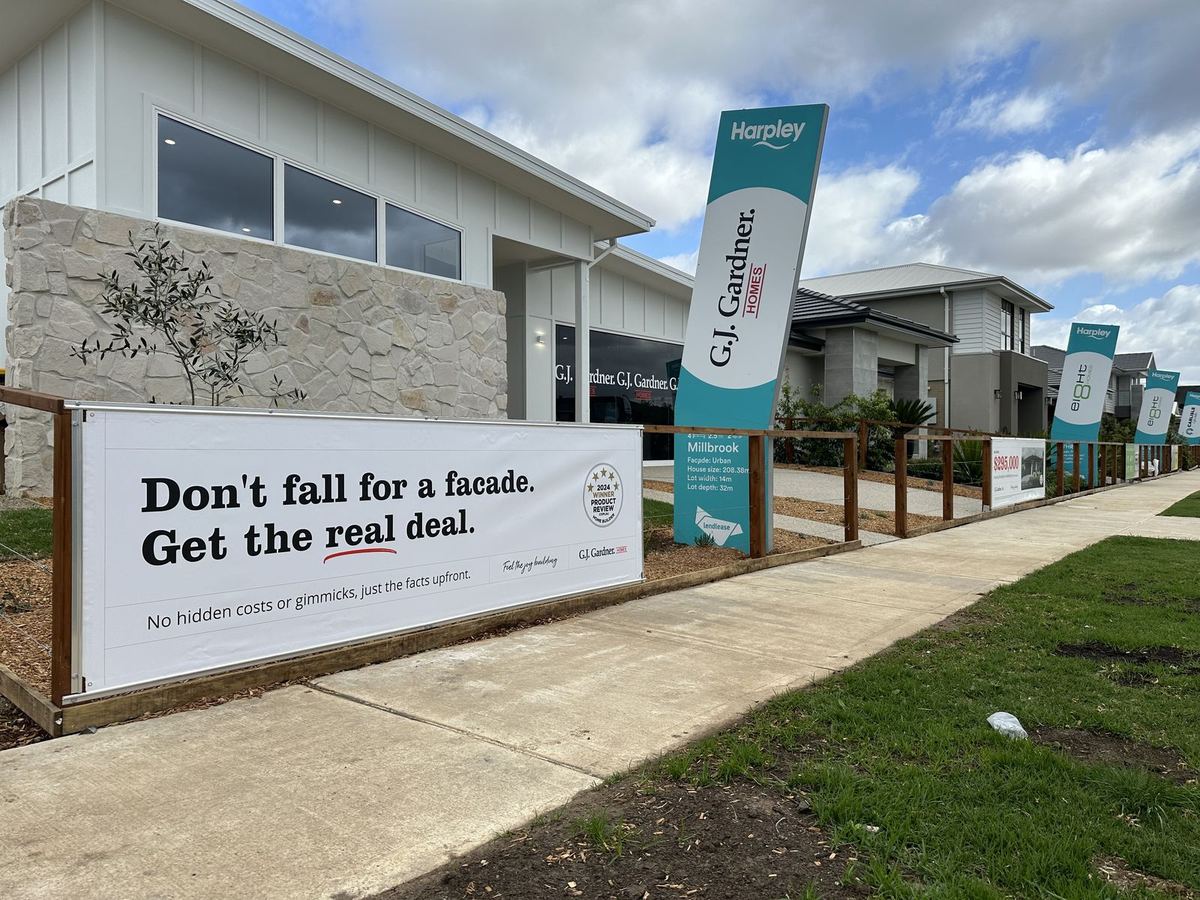
Construction Signage Work
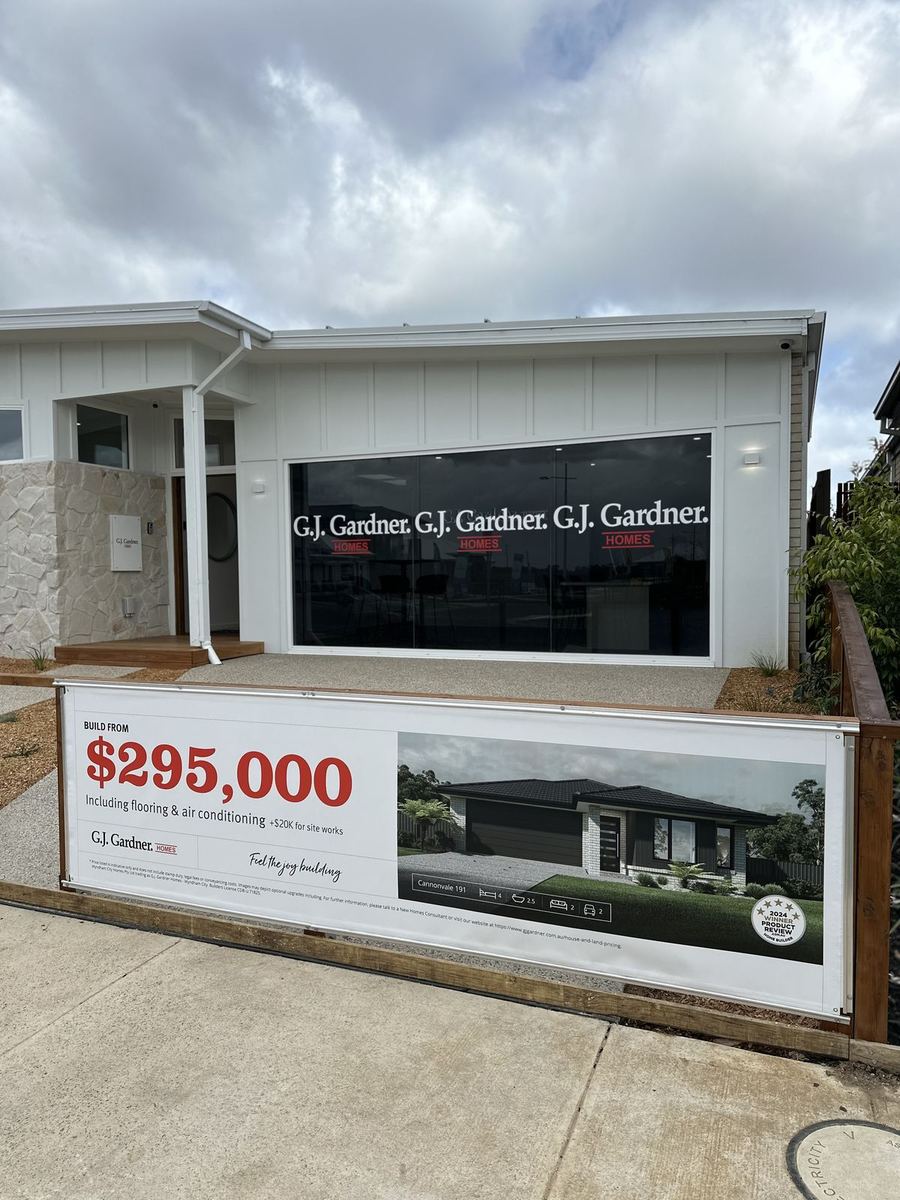
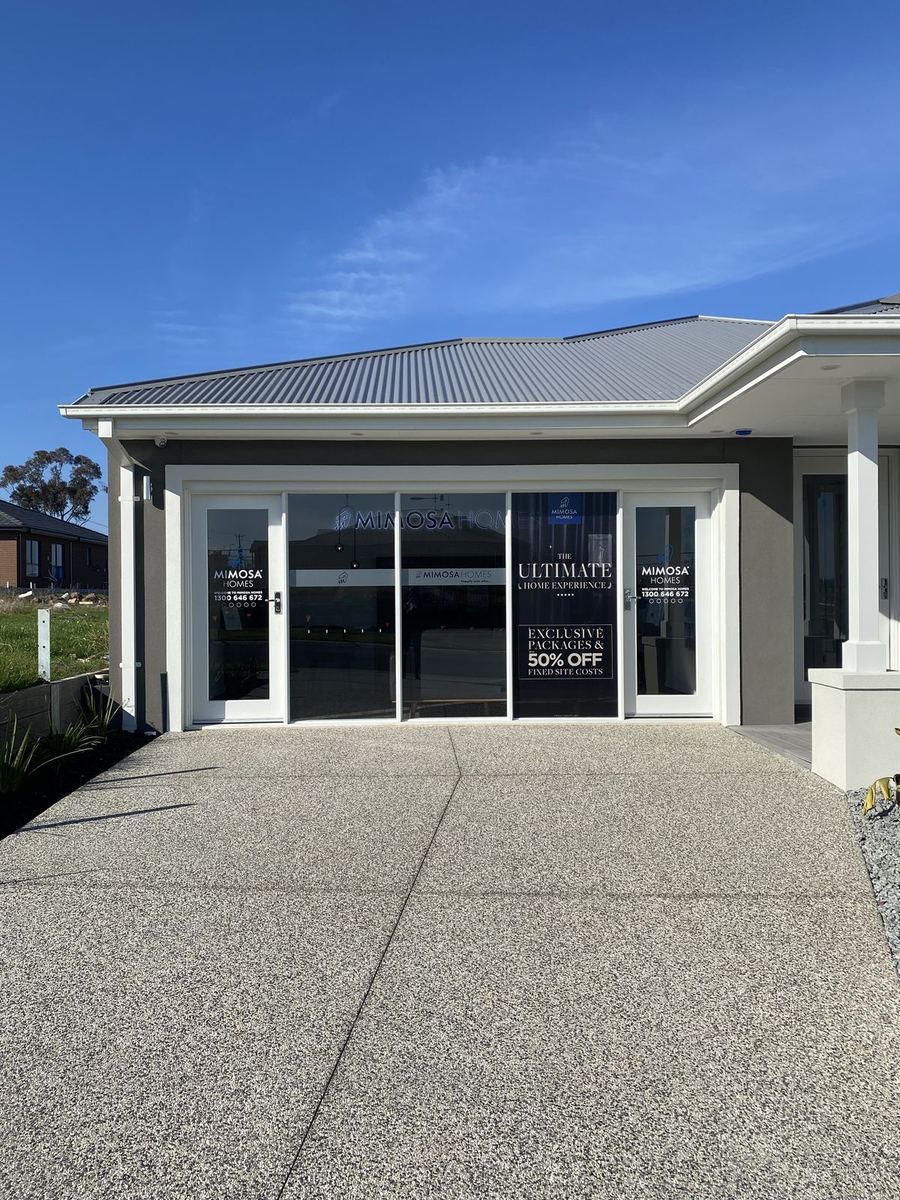
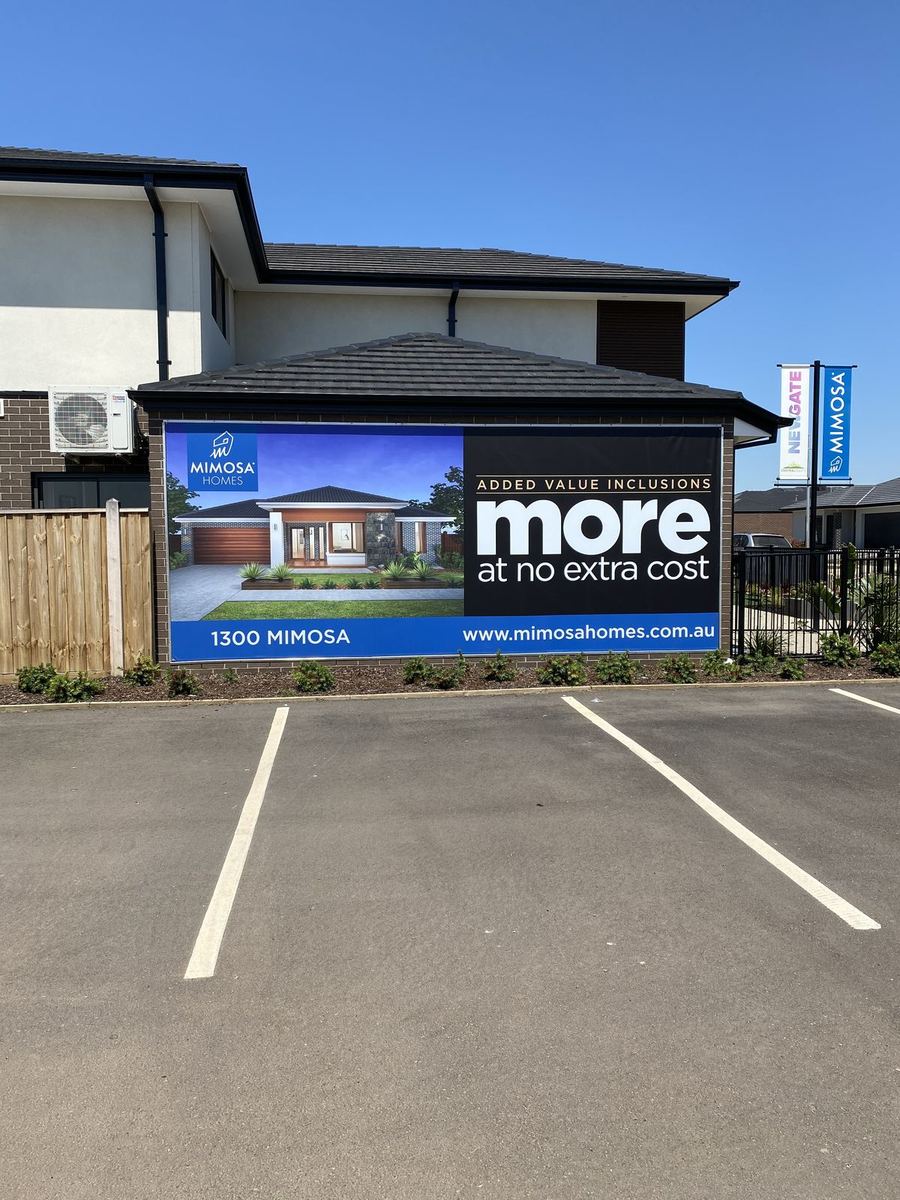
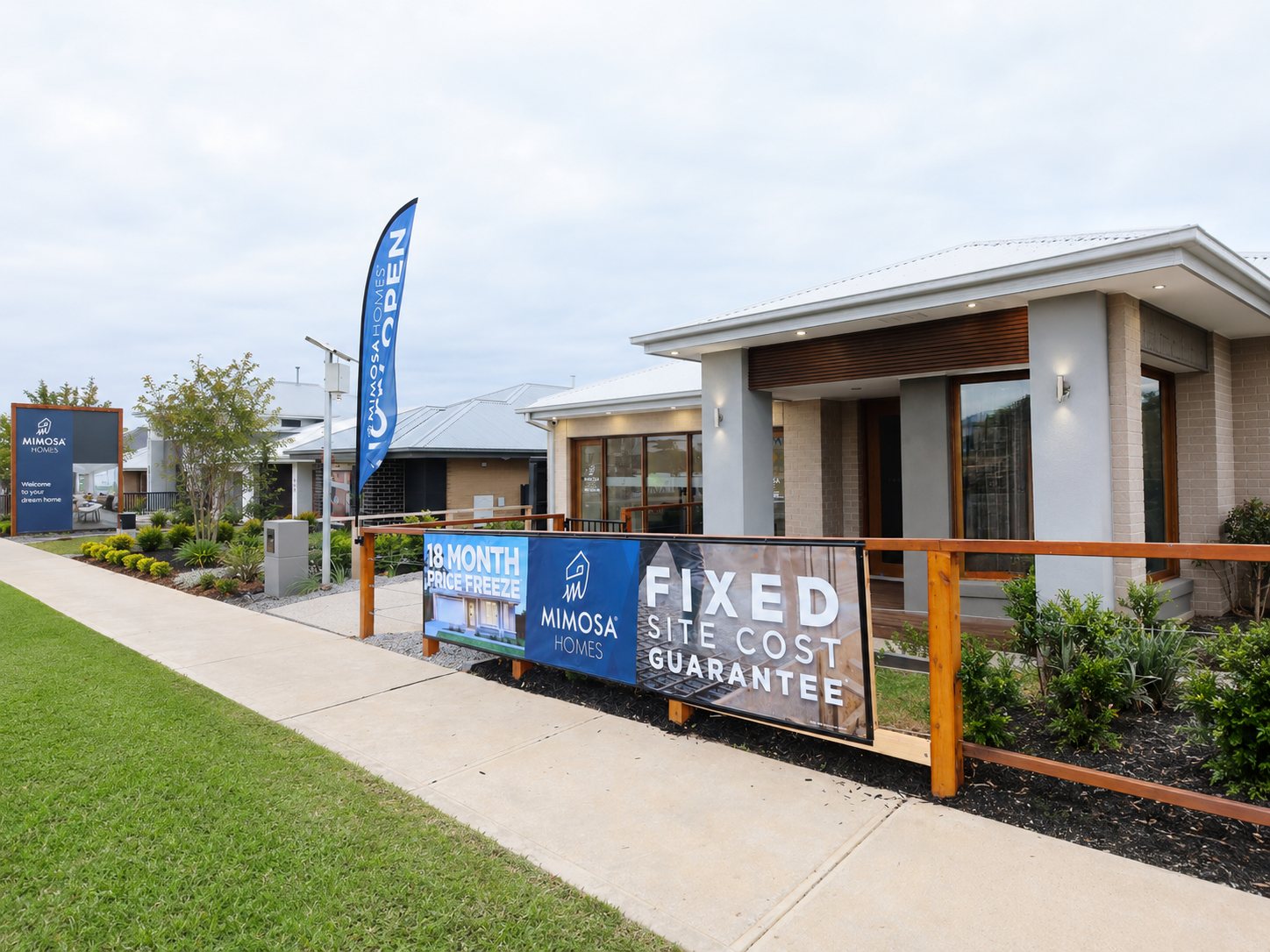
A selection of recent work, including display home banners, window graphics and site signage, shown in place.
Explore More
Planning the signage for a new build? Our guide to signage for builders covers the sign types, materials and placement that matter on a building site.

Site surveys, access planning and professional installation completed safely.
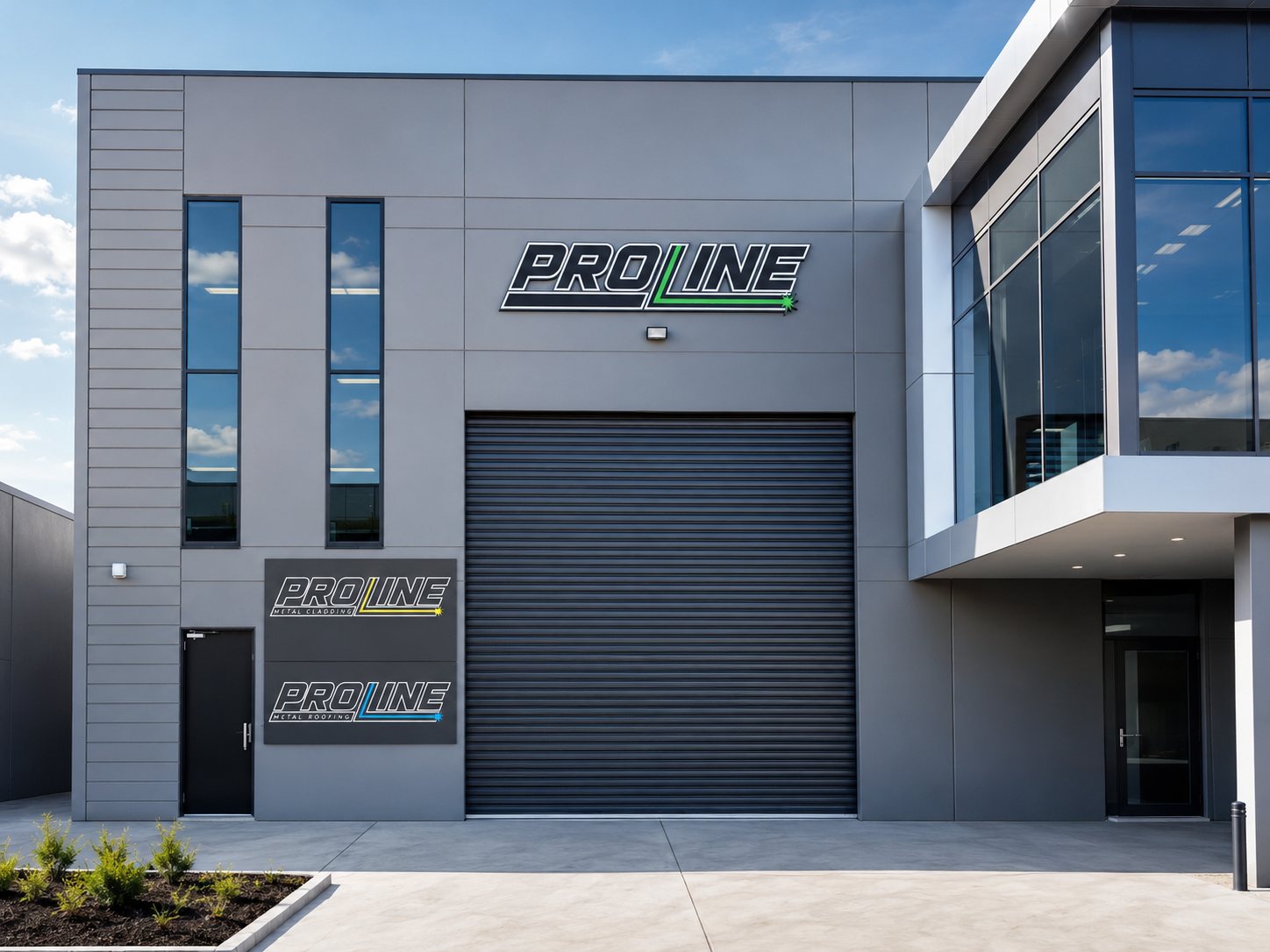
Complete signage solutions that help customers find, recognise and remember your business.
Registration, wayfinding, media walls, stage graphics and exhibition displays.
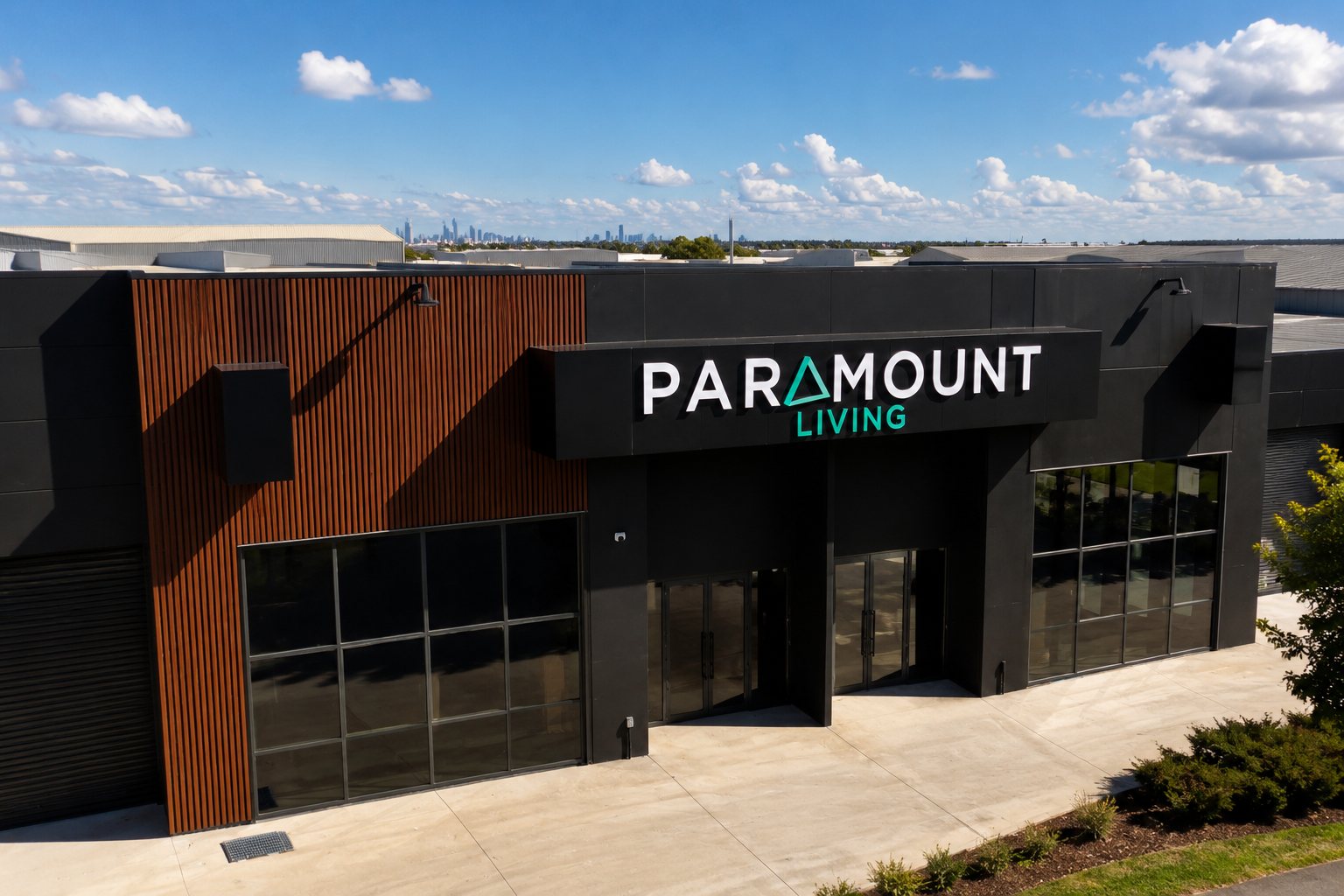
Large-scale exterior and façade signage designed for strong visibility.
Frequently Asked Questions
Pricing depends on sign type, size, quantity, material, artwork needs, finishing, delivery, access and installation. Temporary corflute signs generally cost less than large ACM boards, framed hoarding or installed fence systems. We give you a detailed quote from the project scope.
We provide site and builder boards, developer boards, hoarding graphics, fence mesh and site entry information. We also make safety and PPE signs, temporary directions, parking and delivery signs, display-suite signage and coordinated multi-project programs.
The right material depends on how long the sign must last, the weather, the size, the fixing method and how polished it needs to look. Corflute suits many short-term uses. ACM gives a more rigid and durable panel. Mesh is useful on temporary fencing where letting wind through matters.
Yes. We can review your artwork and templates, set up the details for each project and keep approved specs for future sites. Artwork must still be checked for the final size, material and production method.
Yes, where installation is included in the agreed scope. We review access, fencing or structure, fixing method, site induction and timing before we confirm installation. Where it suits, we can also supply signage packed and ready for the site team.
Yes, from content approved by the responsible project team. Signage Melbourne makes the signage but does not decide the legal or site-specific safety message. The builder, principal contractor or relevant advisor should confirm the required wording, standards and locations.
Yes. Keeping artwork and specs on file helps when you replace damaged panels or update project contacts. It also helps when you change sales information or add signs as the site changes.
Yes. We can set up reusable templates, material standards and ordering steps, then adapt the artwork, quantities and delivery for each site.
Across Melbourne
We support construction projects across Melbourne CBD, inner suburbs, Bayside, the western suburbs and nearby growth corridors. We adapt delivery and installation to each site's access and program.
The signage might be for a street-facing development, an industrial estate or a display village. Either way, we plan the scope around the location, site controls and project team.
Ready To Organise The Site Signage?
Tell us the project type, location, sign formats you need, key dates and whether you need installation. We will help set the scope, suggest practical materials and plan production around the site timeline.
One project or an ongoing builder program, one Melbourne team manages it all.