

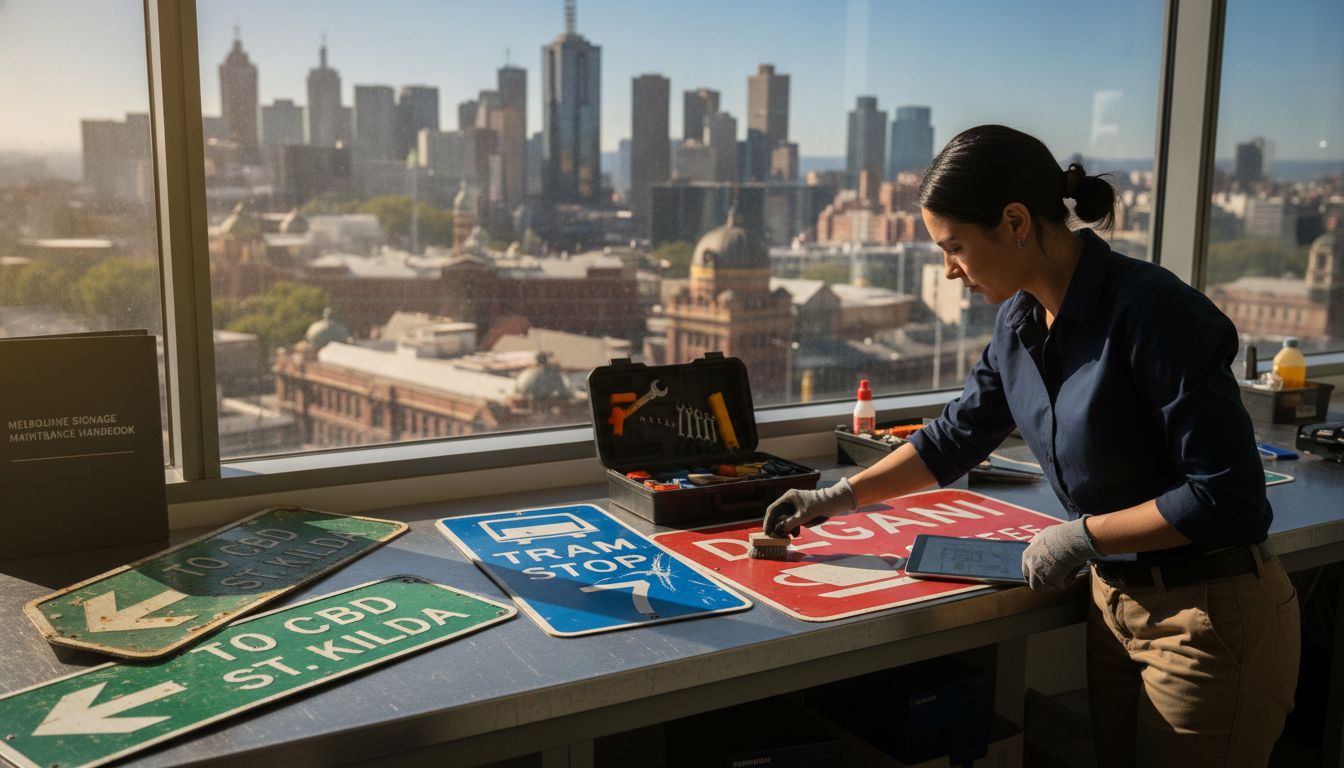
The way your business looks plays a big part in drawing in customers. A well-kept sign works like a silent salesperson, showing that you are professional and reliable. At Signage Melbourne, we know that signage maintenance is not just about looks. It has a direct effect on how much people trust your brand.
Research shows that over 50 percent of consumers link worn or hard-to-read signs with poor service. This guide gives you a clear plan for looking after your Melbourne signage. We will look at why steady upkeep matters, how to spot problems early, and practical steps to keep your signs looking fresh and professional.
You might own a busy shopfront in Richmond or manage corporate signage in St Kilda. Either way, if you neglect your signs, they can quietly harm your brand. With a routine upkeep plan, you can keep your message clear, bright and working for years to come.
Understanding the Importance of Signage Maintenance
A well-kept sign can be the difference between drawing in customers and losing them to rivals. Your sign is the first impression of your business, often seen before people even step through your door. A clean, bright sign shows that you care about quality and detail.
The Role of Signage in Business Success
Signage is not just something to look at. It is a key part of your brand. It tells people you are professional and here to stay. In Melbourne, where competition is fierce, a well-kept sign can set you apart. It acts like a beacon, guiding customers to your business while it builds trust.
Consequences of Neglecting Maintenance
If you neglect your signs, it can cost you. Faded letters, grime or flickering lights can put customers off and send them to your rivals. A neglected sign may suggest that your business does not care, which can hurt your name. Preventive upkeep costs far less than repairs or new signs later on.
Cost-Benefit Analysis of Regular Upkeep
Spending on regular signage maintenance is a smart money choice. When you commit to routine checks and cleaning, you protect the value of your brand. A small, steady spend can prevent the bigger costs of major repairs or whole new signs. Keep in mind that looking after your signs is an investment in your business's future.
Types of Signage Requiring Maintenance
Each type of signage has its own upkeep needs. Knowing these needs is vital to keep your signs working well and looking good. Below, we look at three main types of signage that need regular care.
Indoor vs Outdoor Signage
Indoor signage, such as office logos and wayfinding systems, often needs less upkeep. Regular dusting and checks for scuffs are key to keeping it looking good. Outdoor signage, by contrast, faces harsh weather.
Outdoor signs, from shopfronts in Elwood to large monument signs in Brighton, are exposed to UV, rain and pollution. So they need:
- Regular cleaning to remove dirt and grime.
- Protective waxing to shield them from UV damage.
- Frequent checks for signs of wear or fading.
Digital Signage Maintenance Needs
Digital signage is becoming more and more popular with our corporate clients. Looking after these signs means both physical and digital upkeep:
- Cleaning screens with soft, non-abrasive cloths to avoid scratches.
- Updating software and content systems on a regular basis.
- Watching for any technical problems that come up.
Safety and Informational Signs
Safety signs are vital for meeting the rules and for the wellbeing of your staff and visitors. These signs must be clear to read at all times. Key upkeep tasks include:
- Regular checks for fading or damage.
- Making sure all signs meet local rules.
- Replacing any signs that can no longer be read.
| Signage Type | Maintenance Tasks | Frequency |
|---|---|---|
| Safety Signs | Checks that they can be read, replacement | Quarterly |
| Digital Signage | Screen cleaning, software updates | Weekly |
| Outdoor Signage | Cleaning, waxing and checks | Bi-monthly |
| Indoor Signage | Dusting, physical checks | Monthly |
Signs Indicating the Need for Maintenance
If you keep an eye on your signs, you can act before small problems grow. Regular visual checks are key to spotting when your signs need attention. Walk around your signs and look for the warning signs below. That way you can catch problems early and avoid costly repairs.
Fading and Discolouration
Fading and discolouration are among the most common signs that your signage needs care. The harsh Australian sun can dull colours a lot, above all on vinyl signage. You might notice bright colours start to dull, or white backgrounds turn a yellow shade. This fading hurts the look of your sign. It can also make it harder to see, so it does its job less well.
Physical Damage and Wear
Physical damage is often easier to spot. Look for cracks in the sign face, dents from knocks, or peeling edges on vinyl. Rusted or corroded metal frames are also clear signs that your signage needs repair. These problems can lead to worse ones, such as water getting in, which can weaken the structure of your signs.
Illumination Issues
For illuminated signs, watch for any flickering modules or sections that don't light up. These lighting faults spoil the look of your sign. They may also point to deeper electrical faults. Such faults can be a safety risk, so it is vital to fix them promptly.
In short, regular checks and a close eye on these warning signs will help you look after your signage well. Keep in mind that upkeep done ahead of time is your best defence against costly repairs. It also keeps your signs a valuable asset to your business.
Best Practices for Regular Inspections
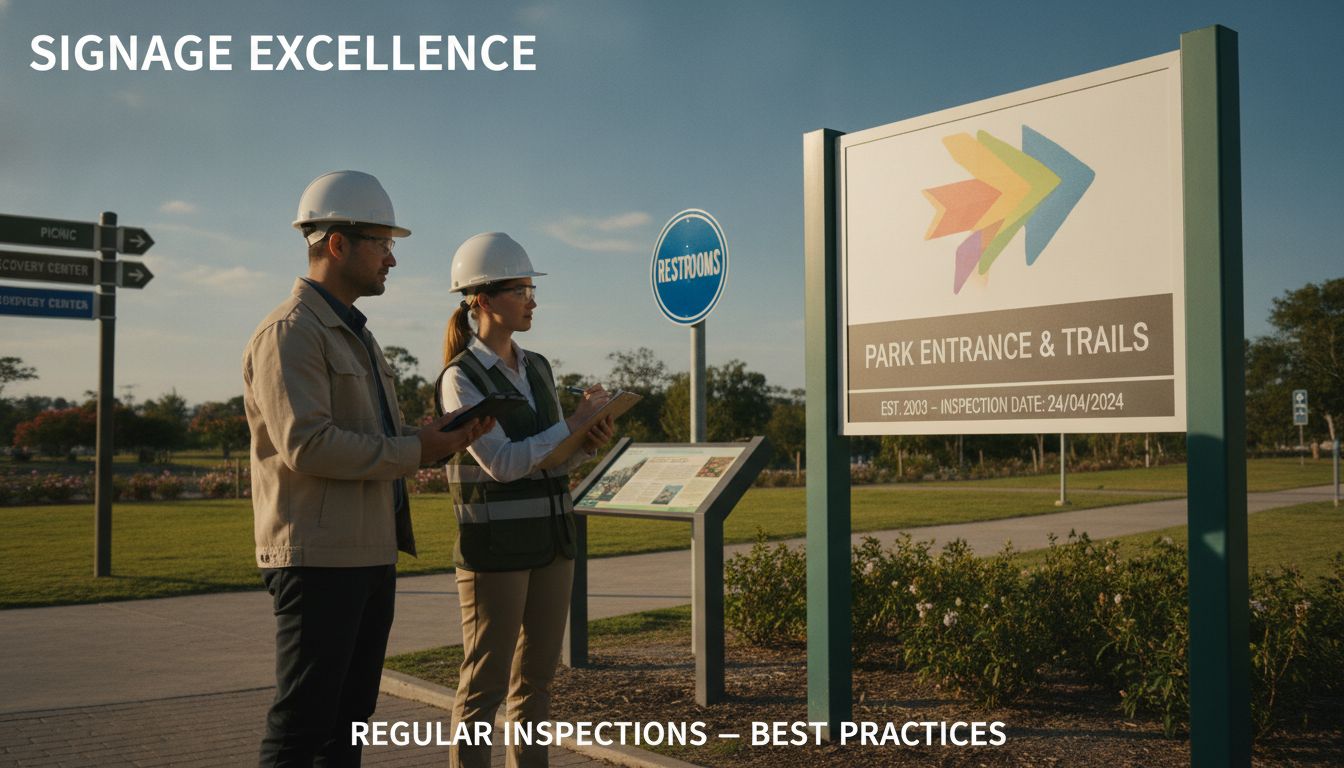
A set routine for sign checks is vital to keep your business visible. Regular checks help you find problems before they grow, so your signs keep working and looking good.
A formal inspection schedule is the base of good sign maintenance. We recommend a full inspection twice a year, ideally in spring and autumn. This timing lets you prepare for summer UV and winter storms.
For busy sites or coastal sites, like those near Elwood or Brighton, think about a check every quarter. Checking ahead of time like this helps you catch seasonal wear or damage early.
Creating an Inspection Schedule
To keep your checks organised, use a basic checklist on your phone or a spreadsheet. At each check, take photos of the sign from several angles. Record the state of the sign face, the mounting hardware and any plants nearby that might be growing over it.
A key tip is to look at your sign in different light: morning, midday and evening. This will help you see how conditions around it affect how visible it is. Always take detailed notes or photos to track any problems as they develop.
Tools and Techniques for Effective Inspections
The right tools make your checks better. Think about using a ladder for a closer look at high signs, and carry a torch to check the lighting at night. This is vital for judging how well the sign can be seen after dark.
This record of past checks becomes a very useful tool for finding problems that keep coming back. It also helps you plan your upkeep budget with accuracy. Keep in mind that good sign maintenance is built on routine, not reaction.
DIY vs Professional Maintenance
Getting the balance right between DIY upkeep and professional help is vital for how long your signs last. Each approach has its good and bad points. When you weigh up the options, you can make informed choices that best suit your business.
Pros and Cons of DIY Signage Repair
DIY outdoor sign cleaning is a low-cost option, at around $20 to $30 for supplies each time. You can remove dirt, pollen and bird droppings with a mix of warm water and a mild detergent, such as Morning Fresh. A soft microfibre cloth will make sure you don’t damage the sign's surface.
But there are limits to what you can do yourself:
- Pros: Low cost for routine cleaning.
- Gives you hands-on knowledge.
- Stops grime from building up over time.
- Cons:Risk of damage if the wrong method is used.
- Not suitable for complex repairs.
- May miss hidden problems.
When to Call in the Professionals
You can handle regular outdoor sign cleaning yourself, but some jobs call for a professional. Call in experts like Signage Melbourne when you come across:
- Electrical faults with illuminated signage.
- Major structural damage.
- Signs installed at dangerous heights.
Keep in mind: never use a high-pressure washer on commercial signs. It can damage vinyl graphics and harm electrical parts. A routine clean can soon turn into a costly replacement if it is not done right. When in doubt, a phone call to our support team is always the safest first step.
| Maintenance Type | DIY Approach | Professional Approach |
|---|---|---|
| Risk of Damage | Low if done right | Minimal, handled by professionals |
| Skill Level Required | Basic cleaning skills | Skilled in repairs and safety |
| Time Investment | Flexible, but may take longer | Efficient, takes less time |
| Cost | Low (Supplies: $20 to $30) | Higher (Service fees vary) |
Common Signage Repairs
Knowing how to deal with common signage repairs can save your business time and money. It might be faded graphics, burnt-out bulbs or structural damage. Fixing these problems promptly keeps your signs working and looking good.
Fixing Faded Graphics
Faded graphics on vinyl signage can harm your brand’s image. This is more than a touch-up job. It often needs a professional. Our team carefully removes the faded vinyl panel and replaces it, so the colour and quality stay the same.
Replacing Bulbs in Illuminated Signs
With illuminated signs, replacing a bulb or LED module might look like a small job. But it means handling high-voltage parts and making sure weatherproof seals stay intact. A faulty repair can void warranties and also create safety hazards. That's why we manage these repairs for you, and make sure everything is done correctly and safely.
Repairing Structural Damage
Structural damage is a serious safety concern. Examples are a bent aluminium frame from a vehicle strike, or corroded steel fixings. We check the soundness of the whole structure, not just the damage you can see, so repairs are both safe and durable.
For graffiti or permanent marker stains, we use Graffiti Safe Wipes, which are made for fibreglass surfaces. These wipes remove ink and paint without harming the laminate, so you don't need a full replacement.
"We handle complex repairs for all types of business signage across Melbourne, from vehicle signage to large-format building signs."
Environmental Effects on Signage
Melbourne's climate is hard on outdoor signage. It is known for "four seasons in one day", and the weather can change a lot. That affects how long your signs last and how they look. Knowing these effects is key to keeping your signs sound.
Outdoor signs are most at risk from:
- Intense sunlight: Summer UV rays can fade poorly laminated graphics fast.
- Winter storms: Freezing temperatures and salt can weaken mounting hardware.
- Coastal conditions: Areas like Brighton and Geelong face salt spray that corrodes and damages metal parts.
To fight these problems, it’s vital to think about the local climate when you design your signs. Here are some ways to do it:
- Material selection: We recommend aluminium composite panels, which resist rust, and UV-stable laminates, which keep colours bright for longer.
- Regular maintenance: A seasonal outdoor sign cleaning routine is vital. It protects your signs from things that eat away at them, like salt, bird droppings and pollution.
- Professional insights: Talking with experts makes sure your signs are made to stand up to Melbourne's unique climate.
When you know how the weather affects your signs, you can make informed choices that help them last longer and work better. Don't underrate the value of the right materials and regular upkeep. Acting ahead of time keeps your signs looking good. It also protects your investment in Melbourne signage.
Budgeting for Signage Maintenance
Knowing the money side of signage maintenance is vital for any business owner. A well-planned budget can turn signage from a surprise cost into a steady running cost you can predict. If you plan for costs ahead of time, you can keep your signs in top shape without money stress.
When you budget for signage maintenance, start by estimating what each type of sign costs to look after. Think about how often each sign needs upkeep and what it needs. For example, a basic DIY clean for a small shop sign might cost you $30 in supplies twice a year. A professional service contract for a network of illuminated signs across several sites will be a fixed monthly or quarterly cost.
Estimating Maintenance Costs
To estimate upkeep costs, sort your signs into groups and work out what each one needs. Here’s a breakdown:
| Sign Type | Maintenance Frequency | Estimated Cost per Year |
|---|---|---|
| Illuminated Sign Network | Monthly | $1,200 |
| Medium Outdoor Sign | Quarterly | $240 |
| Small Shop Sign | Twice a Year | $60 |
When you sort your signs into groups, you can better see the total cost of owning them. That includes both regular upkeep and possible repairs.
Setting a Maintenance Budget
We recommend setting a separate yearly budget for upkeep. It should cover planned professional checks and a reserve fund for surprise repairs, such as storm damage or vandalism. Planning stops surprise four-figure signage repair bills from upsetting your marketing or facilities budget.
Planning for Unexpected Repairs
Even with a solid budget, surprise repairs can come up. A reserve fund lets you fix these problems promptly without upsetting your money plans. A small, steady spend on business sign upkeep is the best way to make your sign last as long as it can. It also gives you the best return on what you first spent.
"Planning your signage maintenance budget ahead of time can save your business from surprise costs."
Trends in Signage Maintenance
Signage maintenance is changing. New technology and eco-friendly methods are setting new standards for the industry. Keeping up with these trends can help your commercial signage last longer and work better.
Eco-Friendly Maintenance Practices
More and more businesses are moving to eco-friendly upkeep. This means moving away from harsh chemical cleaners to products that are biodegradable and non-toxic. These gentler products clean well. They also protect the environment and keep your staff safe.
For instance, a protective layer of carnauba-based wax every six months can help stop dirt sticking. Gentle, biodegradable cleaners help keep your signs looking good without leaving harmful residue.
Technology in Signage Repair
New technology is changing the way we approach signage repair. Remote monitoring systems for digital signage networks can now find hardware faults before you can see them. This lets us target repairs ahead of time, so there is less downtime and your signs keep running.
Innovations in Signage Durability
New materials are also playing a key role in making signs last longer. Modern UV-curable inks and self-cleaning nano-coatings are adding years to the life of signs. Advanced polymer substrates are also made to stand up to harsh weather, which makes them ideal for outdoor signage.
When we advise on new commercial signage, we put these durable materials first, to cut your long-term upkeep. If you invest in high-quality materials from the start, you can make sure your signs keep working for years to come.
The Importance of Signage Longevity
Making your signs last as long as they can is vital for a professional image. A well-kept sign helps your brand be seen. It also saves you money over time. Let’s look at the benefits of a longer sign life and the ways to get there.
Benefits of Extended Sign Life
- Cost Savings: A longer life for your signs puts off the need for costly replacements.
- Consistent Branding: A long-lasting sign helps keep your brand looking the same over time.
- Increased Visibility: Well-kept signs look better and do a better job of drawing in customers.
- Environmental Impact: Fewer replacements mean less waste, which is better for the planet.
A solid upkeep program can double the life of your signs. Small actions, such as regular cleaning and timely repairs, can make a big difference.
Strategies for Increasing Sign Lifespan
To make sure your signs last, try these ideas:
- Professional Installation: Make sure your signs are installed correctly, with the right materials and methods. Signage installation Melbourne services can bring the know-how.
- Regular Cleaning: Cleaning twice a year can prevent fading and keep displays looking new. Use gentle cleaners that suit your sign material.
- Protective Coatings: A coat of carnauba wax after cleaning can add a glossy finish and an extra UV barrier.
- Prompt Repairs: For illuminated signs, replace failed parts promptly to avoid more electrical faults.
With these ideas, you can help your signs last longer and keep them showing your business at its best.
Legal Considerations in Signage Maintenance
Knowing the legal side of signage upkeep is vital for meeting the rules and for safety. Business owners must know the local rules and safety standards. That way, their signs work well and also meet the law.
Compliance with Local Regulations
Every business in Melbourne must follow local council rules on signage. A sign that met the rules when it was installed can stop meeting them. That can happen if it is damaged, fades or is hidden by overgrown plants. This could lead to fines or penalties from the local council.
Importance of Safety Standards
Safety standards are vital in signage upkeep. A sign that is not structurally sound can put the public and your staff at risk. Regular checks are recommended to make sure signs keep working and can be seen. Federal highway safety guidelines also suggest periodic checks.
Understanding Liability
As a business owner, you need to know what you are liable for. If a poorly kept sign causes injury or damage to property, the legal and money fallout can be severe. Our professional maintenance services include compliance and safety audits, so your signs meet all the required standards.
| Aspect | Details | Implications |
|---|---|---|
| Liability | Business owners are responsible | Injuries can lead to lawsuits |
| Safety Standards | Regular checks recommended | Protects public safety and lowers your liability |
| Local Regulations | Must meet council rules | Breaking the rules can lead to fines |
If you put these legal points first, your business sign upkeep will work well and also meet all the rules that apply.
Resources for Effective Signage Maintenance
To keep your signs in top shape, you need the right tools. A well-stocked upkeep kit can make all the difference. Start with a telescopic soft-bristle brush for hard-to-reach signs, clean microfibre cloths, a bucket and a pH-neutral biodegradable cleaner. Avoid rough, abrasive materials that could damage your signs.
Tracking your upkeep is vital to make your signs last. Use a basic spreadsheet or an app like Trello to log each sign's location, condition and cleaning history. Set automated reminders for checks to keep your signs looking their best.
When you need professional help, it is vital to know which services to look at. For complex tasks like electrical work or repairs at height, Signage Melbourne is your trusted partner in Melbourne. We specialise in signage installation in Melbourne and offer full maintenance plans that suit your needs. Reach out for a practical, no-obligation quote today.
With the right tools, good records and professional support, you can look after your signs well. That way they keep showing your brand at its best.